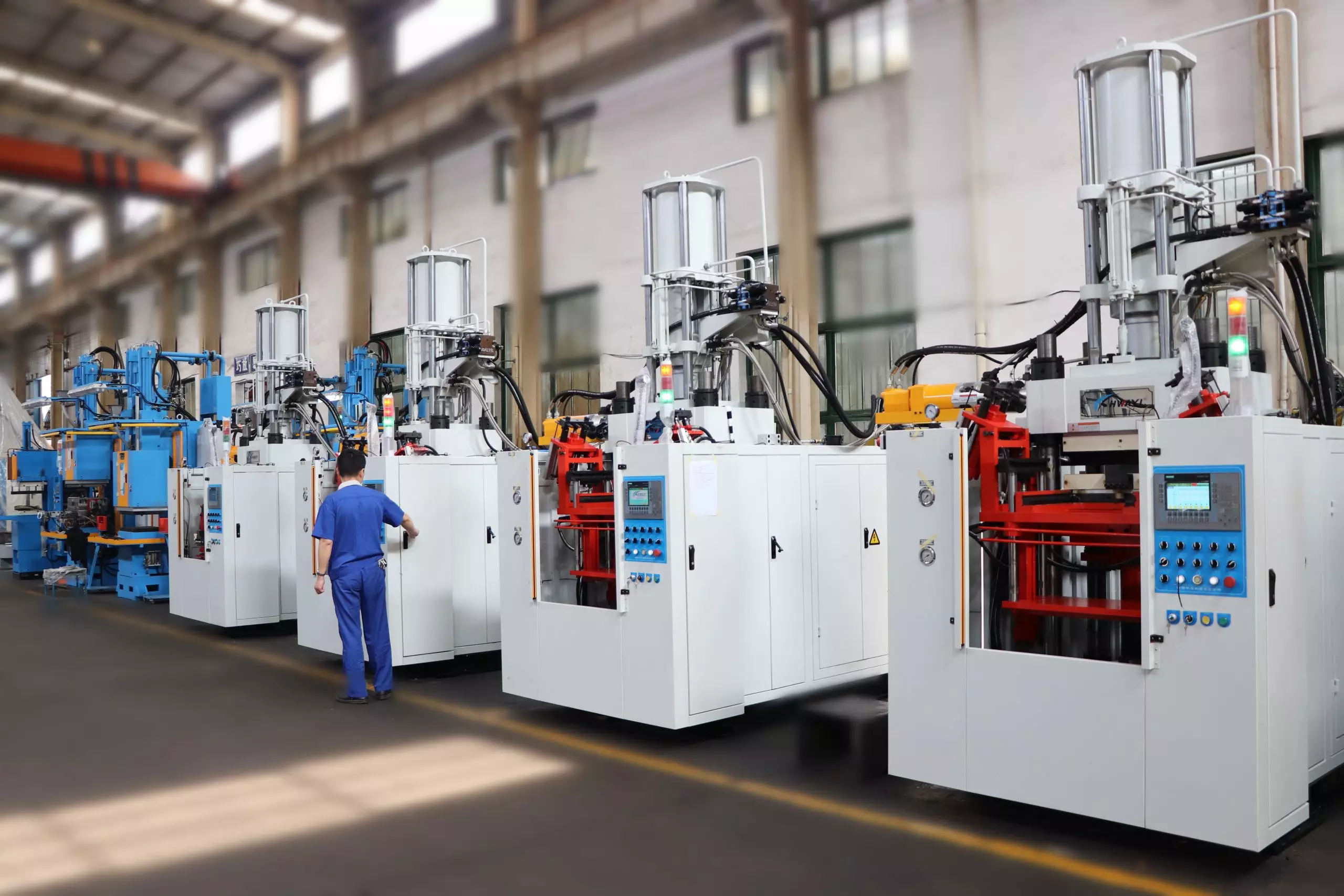
Listen — we’re sizing up two real routes: dump big CapEx into heavy-duty gear or bet on decades of low-scrap MTBF and steady throughput. This ain’t theoretical: folks who run custom rubber injection molding lines and rubber molding companies in the auto belt learned that lesson fast when Detroit plants tightened tolerances after the 2020 supply shock. I’m laying the numbers and the tradeoffs out straight, so you can pick a path that actually pays back.

What We’re Comparing — Simple Terms, Real Stakes
This comparison pits upfront capital spending (machines, molds, clamp force capacity) against long-term operational reliability (MTBF, scrap rate, cycle time). High CapEx machines often promise tighter tolerances and faster cycle time. Low-scrap, high-MTBF systems promise lower downtime and fewer rejects. Both affect cost per part, but they do it in different ways: one chops cycle time, the other trims waste and maintenance hours.
Cost Buckets That Move ROI
Don’t get lost in jargon — focus on four buckets that actually eat profits:
– Equipment & tooling: machine purchase, molds, hydraulic vs. electric drives. – Production variable costs: raw rubber, energy, and per-cycle consumables. – Quality losses: scrap rate and rework tied to mold wear and process control. – Downtime & maintenance: unplanned stops, MTBF, part changeovers.
Run the math on cost per part with those buckets. If a high-CapEx press halves cycle time but gives you a slight uptick in scrap, you might not win. Conversely, a machine with insane MTBF and low scrap can out-earn faster gear over years — especially when labor and downtime hit your margins.
Real-World Anchor — What Detroit Taught Us
After 2020, automakers pushed suppliers in Detroit and beyond to tighten delivery and reduce rework. Plants that relied on low-scrap systems kept lines moving; suppliers who bet everything on raw speed scrambled for spare molds and maintenance crews. That shock exposed a truth: supply continuity and predictable yield matter when OEMs won’t wait. If your shop supplies bumpers, seals, or tire components, that lesson’s still bleeding through contracts now.
Practical Tradeoffs — Where You Save and Where You Lose
Look, choices aren’t obvious. Here’s how to think about them plainly:
– If your run lengths are long and specs stable, lean toward machines with higher MTBF and robust mold support. Fewer rejects over millions of cycles compound into real savings. – If your business chases variety and short runs, lower CapEx and faster changeovers can beat oversized investments. – If product specs demand ultra-tight tolerances, the right high-CapEx press with precision molds might be non-negotiable.
Also factor in tooling lead times and supplier reliability — those rubber molding companies that deliver consistent molds and spare parts shorten your effective payback window. — Don’t forget spare-part logistics; it’s a silent killer of throughput.
How To Decide: Three Metrics That Matter
Measure these before you sign anything. They’re the golden rules for picking a path:
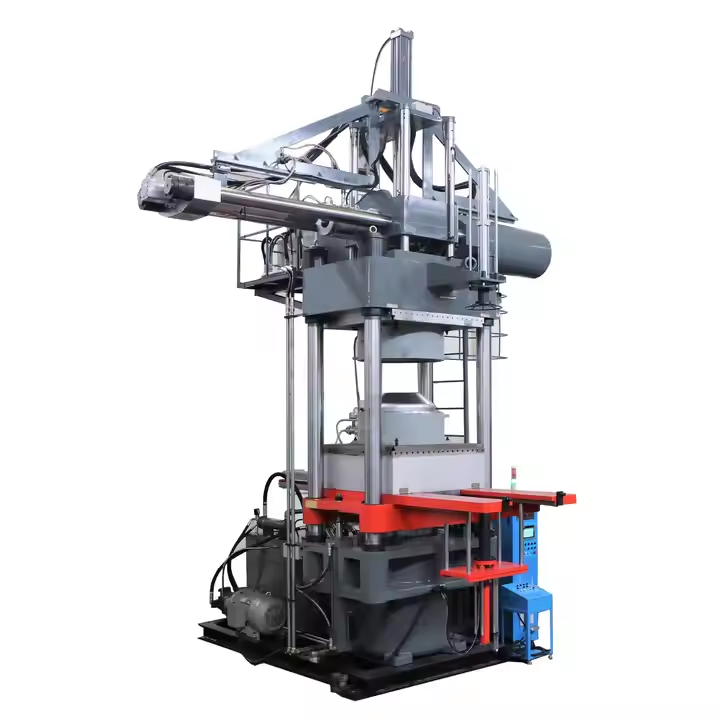
1) Total Cost Per Part (TCP): amortize CapEx over realistic part volumes, then add material, energy, and labor. 2) Effective MTBF-adjusted Uptime: quantify how often the line stops and translate that into lost parts per month. 3) Yield per Cycle (1 – Scrap Rate): small percentage differences multiply over long runs — pick the option that maximizes good parts, not just speed.
Final Take — Actionable Angle
Run scenarios with real volumes. Don’t eyeball speed without costing scrap, spare parts, and downtime. If your operation values continuity and contract stability — like many vendors supplying Detroit — the long-haul benefit of low-scrap, high-MTBF systems often beats flashy cycle-time claims. When you tie those scenarios to trusted partners and the right tooling, you end up with predictable margins and fewer emergency nights on the shop floor. For a practical partner that ties equipment reliability to real service and spares, HWAYI sits where machinery meets uptime — proven in places that count.
Three quick metrics. One clear move. Solid results.