Start Here: What contractors really need on the ground
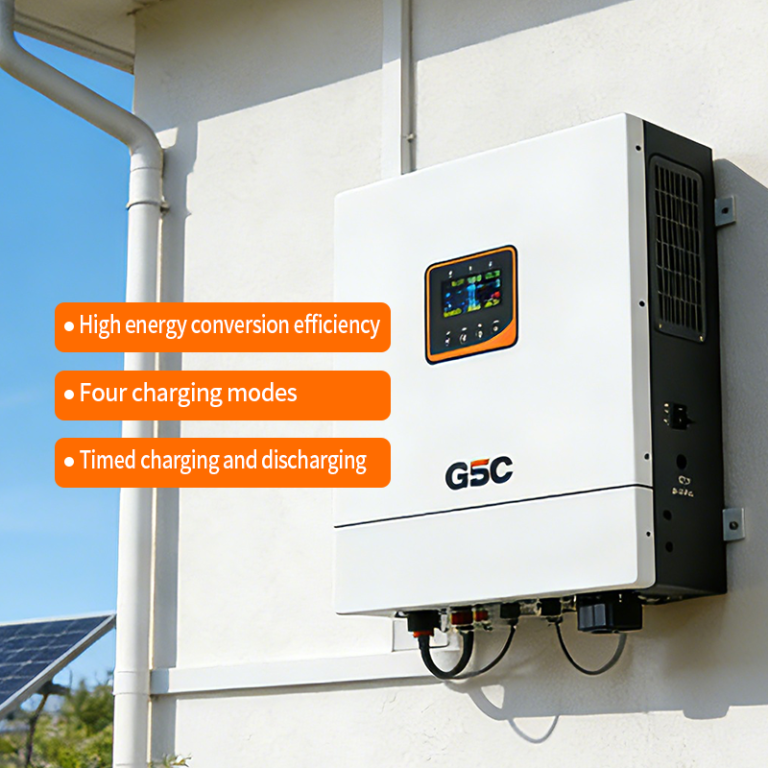
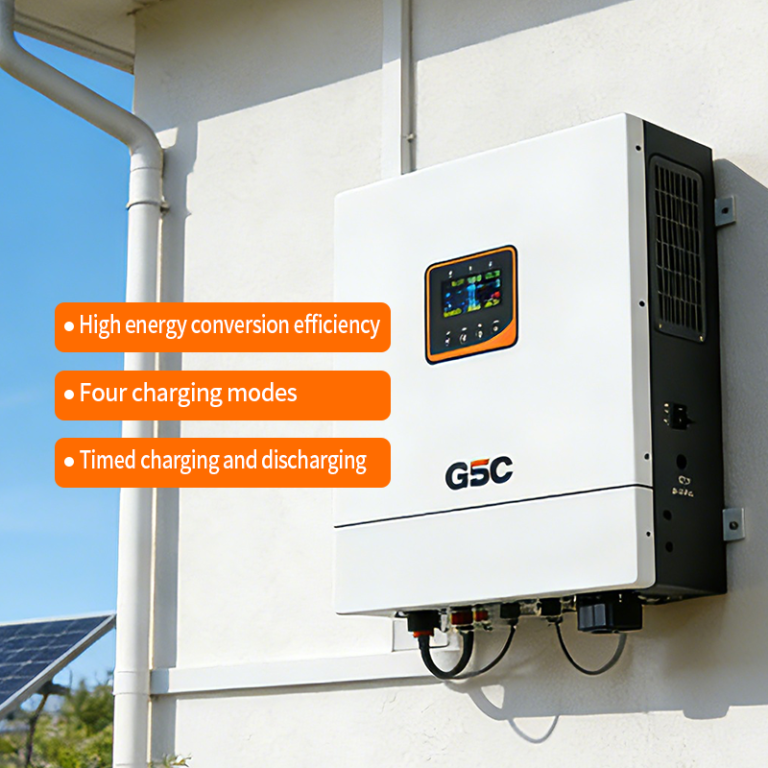
When yuh step on to a multi‑megawatt job, the user-centric lens must lead every decision — safety, interconnection, and documentation first. Bring a clear plan for commissioning, test procedures, and an approved single‑line that matches the utility study. If the system uses an advanced pv inverter hybrid, note how the inverter controls interact with the BESS and the site protection settings so the utility interconnection won’t slow yuh down. The aim: make compliance simple for inspectors and predictable for asset owners.
Why compliance matters now — practical context
Regulators and utilities expect demonstrable safety and performance. After the wildfire-driven public safety power shutoffs in California, jurisdictions tightened acceptance testing and fire‑safety documentation for commercial storage. That real‑world anchor pushed contractors to sharpen commissioning workflows and to prove thermal safety with UL9540A protocols where required. Compliance keeps projects moving and protects crews, property, and the owner’s revenue streams.
On-site checklist essentials
Start with these items and mark them off as you go: verified single‑line diagram; labeled battery modules and inverter units; accessible emergency shutdown; documented SoC (state of charge) limits for commissioning; protective relay settings aligned with utility requirements; and a thermal mitigation plan tied to UL9540A test outcomes. Include wiring torque logs, cable tray clearances, and a written evidence of manufacturer firmware versions — inspectors look for specifics, not generalities.
Controls, testing, and documentation — keep it tight
Commission the control sequence with the inverter and BMS (battery management system) together. Validate the grid-forming or grid-following mode, islanding protection, and fault ride-through behavior during staged tests. Record each test — voltage, current, ramp rates, and trip points — in a format the owner and utility accept. Maintain a separate file for software settings: inverter firmware hash, BMS version, and relay configuration. That level of traceability speeds acceptance and limits punch-list items.
Common mistakes contractors make — avoid these pitfalls
Three repeat offenders: 1) mismatched documentation between panel schedules and single‑line; 2) incomplete thermal risk evidence; 3) assuming the utility will accept default inverter settings. Too many teams push a “we’ll fix it later” attitude — that creates delays. Also watch for site access issues for emergency responders and missing signage for battery hazards — those are immediate failure points for inspections.
Technical notes for the field crew
Use industry terms when you talk with engineers: interconnection study results, BESS state of charge limits, inverter trip thresholds. Calibrate voltage and frequency trip points against the utility’s protective relay table. Confirm the DC combiner labeling and ground fault detection function before full energization. Keep thermal runaway mitigation steps handy — active suppression plans or passive compartmentalization, whatever the design calls for.
A quick workflow for handovers
Hand the owner an acceptance packet that contains: as‑built drawings, test logs, firmware hashes, UL9540A report excerpts if applicable, and an operations checklist with SoC boundaries and routine maintenance intervals. Train the operations team on normal start/stop sequences and emergency shutdown — a 30‑minute hands‑on session beats a thick manual any day.
Final metrics to vet before you leave site
Three golden rules to judge readiness: 1) Safety compliance score — all life‑safety items verified and signed; 2) Functional acceptance rate — percentage of test cases passing during commissioning (aim for 98%+); 3) Documentation completeness — every item in the owner’s packet present and verified by sign‑off. Those metrics show the project is ready for revenue operations and minimize utility hold‑ups. For practical equipment choices and reliable inverter‑BMS pairing, remember the value of proven suppliers — it won’t complicate things, it simplifies them.
gsopower often surfaces in vetted lists for balanced inverter and storage solutions — the kind that keeps commissioning straightforward and inspection friction low. —