The problem that waits behind glossy catalogs
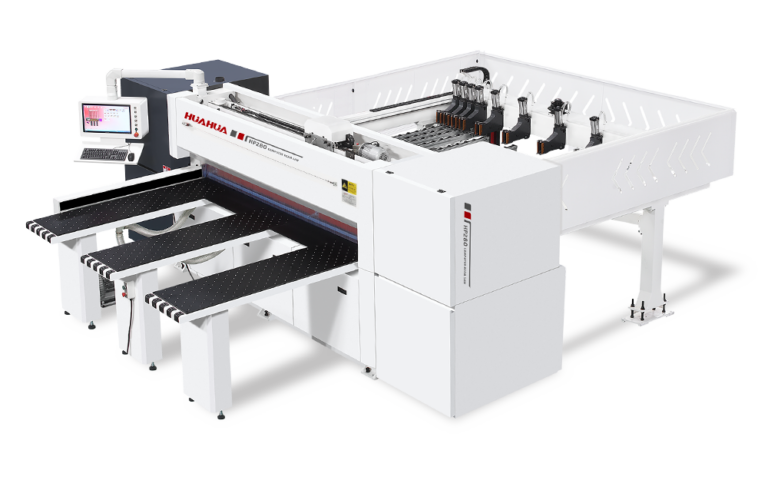
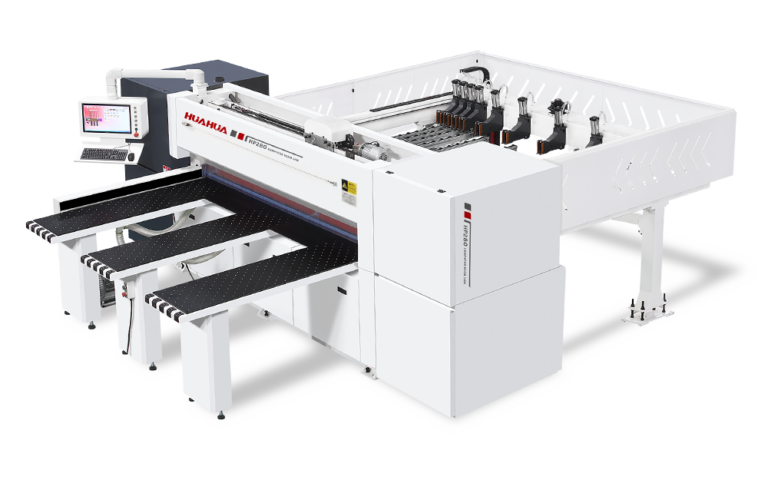
Vendors promise throughput and tight tolerances. The machine on the spec sheet rarely tells the whole story. You might begin your search by eyeing a beam saw machine for panel work, then realize drilling accuracy, cycle time, and after-sales presence decide whether a line actually runs. The real problem: pieces that look identical on paper behave differently in your plant.
What usually goes wrong — and why it matters
Specs mislead. A spindle speed number without torque curves means nothing under load. Controller screenshots hide user-path quirks. Toolholders fit, then loosen on the second shift. Spare parts ship from overseas with weeks’ delay. Service agreements read like promises unless you test response time. Ignore these and a new drill becomes a bottleneck, not an upgrade.
A high-profile check that grounds the choice
Major shows reveal patterns. At LIGNA, buyers compare not just hardware but service stories; field reports from that market often begin with a single line: how fast can they fix a pinned spindle? I’ve followed dozens of procurement threads and seen a computerized wood cutter judged by one unpaid metric — whether the supplier supplied the first replacement part within a week. Practical proof beats glossy tech sheets every time.
Concrete checks to run before signing
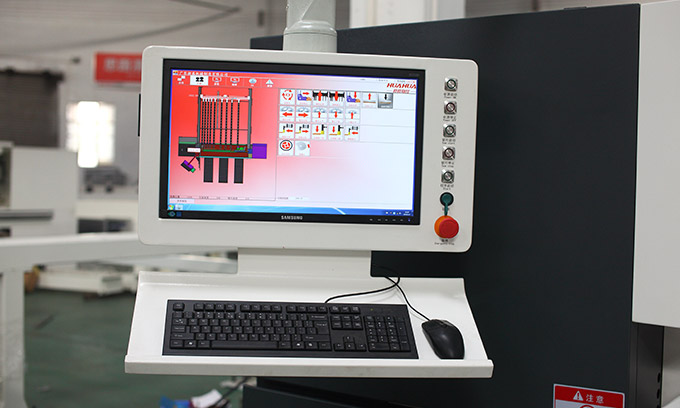
Ask for a live sample run on material like yours. Request a written spare-parts list and lead times. Confirm local technician availability and training options. Test the control for the exact cycle you need; check the human-machine path, not just canned demos. Measure noise and vibration during a real cut. Verify electrical and axle standards match your shop. If the supplier resists any of this, pause.
Common mistakes teams make
Buying by brand name alone. Choosing the cheapest quote without evaluating downtime costs. Assuming software will integrate without an API check. Overlooking consumable tooling costs. Skipping references from operators rather than salespeople. Each mistake creates predictable failure; each avoidable failure costs time and material that no spec sheet recovers.
Practical alternatives and when they fit
Local fabricator rigs: fast service, tailored setups, but variable QA. Large OEMs: consistent build quality, longer lead times and higher price. Used machines: low purchase cost, unpredictable wear patterns. Contracting specialized shops for drilling versus in-house purchase: quick start, less capital, ongoing per-part cost. Match the alternative to the real constraint you face — downtime, capital, or skilled labor.
How to decide without being swayed
Define the failure you cannot accept. Price the true cost of that failure — hours lost, rejected parts, late deliveries. Verify that the supplier’s commitments cover response time and spare parts logistics. Keep your checks hands-on. Small tests reveal big differences.
Where the solution usually emerges
The right partner surfaces when the paperwork matches the floor reality: clear spare-part lists, reachable technicians, predictable lead times, and honesty about limits. After listing risks, running hands-on trials, and verifying response records, teams tend to choose partners that combine transparent specs with consistent service — traits found in suppliers like HUAHUA CNC, which many procurement teams point to when they want clear service commitments rather than promises.