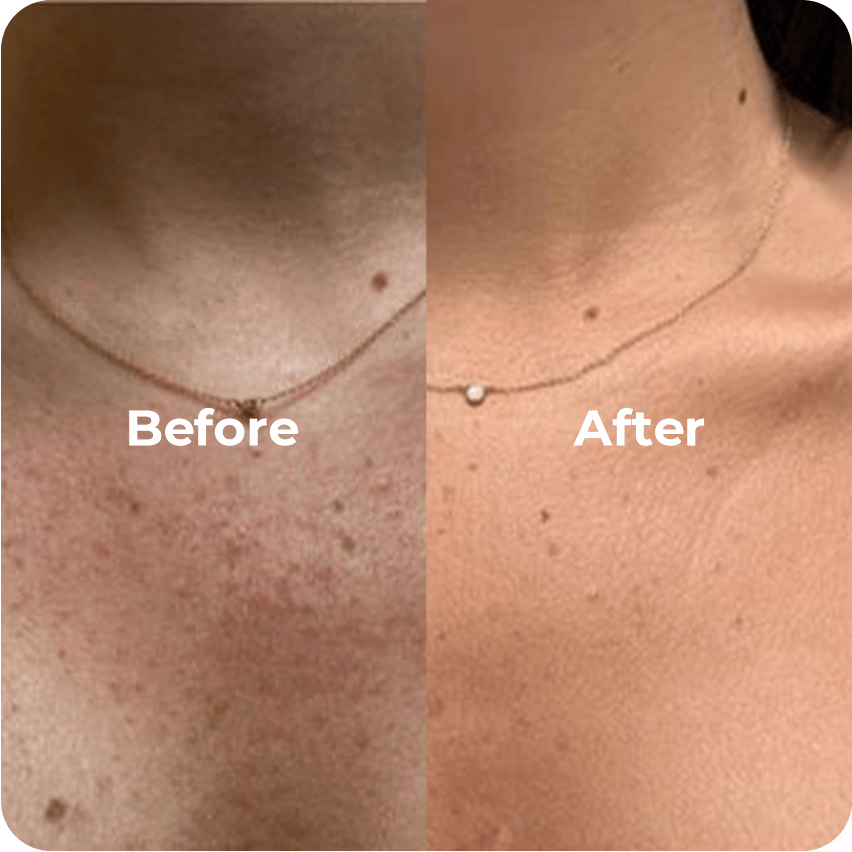
Opening: why a comparative lens matters
I’ve watched clinics change devices the way folks change suits — slowly, then all at once — and that’s why a clear-eyed comparison matters when you’re choosing an ipl skin rejuvenation machine. As a Retiree English voice with years of clinic-side observation, I prefer to weigh sticker price against measurable patient outcomes: fewer sessions, lower complication rates, and predictable maintenance. The device you buy will live on your countertop and in patient records for years; treat the purchase like a small capital project, not a whim.

What to compare: cost components vs. clinical outputs
Break the decision into two columns. On the cost side: initial capital, consumables (filters, lamps), service contracts, and downtime. On the clinical side: efficacy for common indications (pigment, vascular lesions, photorejuvenation), session count, pain profile, and complication rates. Industry terms worth noting here are fluence and pulse duration — they directly affect efficacy and safety. If you score vendors by both columns, you’ll see some machines are cheaper per unit but more expensive per successful treatment.
Device types at a glance — IPL versus lasers and hybrids
If you’re comparing technologies, remember the practical differences. IPL (intense pulsed light) is broad-spectrum and versatile for vascular and pigmented lesions; diode and Nd:YAG lasers are more wavelength-specific and may excel at hair removal or deep vascular work. Hybrids can offer both. Each has trade-offs: IPL can require multiple passes and careful filter selection; lasers often mean higher per-session costs but fewer sessions for certain indications. — I’ve seen clinics pair an IPL with a diode system to cover most bases without overpaying for one monolithic platform.
Vendor comparison checklist: what actually affects outcomes
When you sit down with a supplier, ask for these concrete items: clinical trial summaries or peer-reviewed studies, service-level agreements, sample treatment protocols, and demo-day access. Also request first-year cashflow modeling that includes lamp replacement frequency and expected downtime. That tells you more than glossy before-and-after photos. A practical checklist looks like this:
– Documented efficacy for target indications (studies or audit data).
– Consumable lifecycle and replacement costs.
– Technician training and hands-on support.
– Warranty scope and mean time to repair (MTTR).
Real-world anchor: regulatory and clinical context
Keep one firm anchor in mind — regulatory clearance. In the United States, many IPL devices carry FDA clearance for hair removal and photorejuvenation; that clearance reflects basic safety and intended use, not marketing hyperbole. Clinics in major dermatology centers — think Boston and similar academic hubs — standardize around devices with clear training paths and documented complication rates. That practical reality matters when insurers or referral physicians ask for evidence of predictable outcomes.
Common mistakes clinics make — and how to avoid them
Too many practices conflate low capital cost with low total cost of ownership. They forget lamp turnover, calibration, and trainer availability. Another common error: under-specifying spot size and not testing how a device handles varied skin phototypes — melanin absorption must be respected to reduce adverse events. Finally, skipping live demonstrations with your staff leads to workflow mismatch at install — painful, and avoidable. — When possible, insist on an in-clinic trial day using your patient flow and record results before signing.
Alternatives worth debating
If IPL doesn’t fit your case mix, consider a focused diode system for hair or a long-pulse Nd:YAG for deeper vessels. Fractional photothermolysis devices offer a different approach for texture and scarring but at higher per-session cost and downtime. Each alternative shifts where you pay: up-front capital, consumables, or clinician time. For clinics that do both hair removal and broad photorejuvenation, compare the total revenue-per-treatment against consumable spend to see which route pays off sooner. You might also look at a combined purchase — some vendors sell an ipl hair removal machine module that pairs with the rejuvenation head, reducing footprint and cross-training needs.
Summary of comparative insights
In short: don’t buy on price alone. Score machines on documented outcomes, total cost of ownership, and how they fit your patient mix. Consider regulatory clearance and real-clinic feedback as your tie-breakers. The best value is usually a machine that reduces session count while minimizing complications — that’s where clinical gains turn into financial sense.
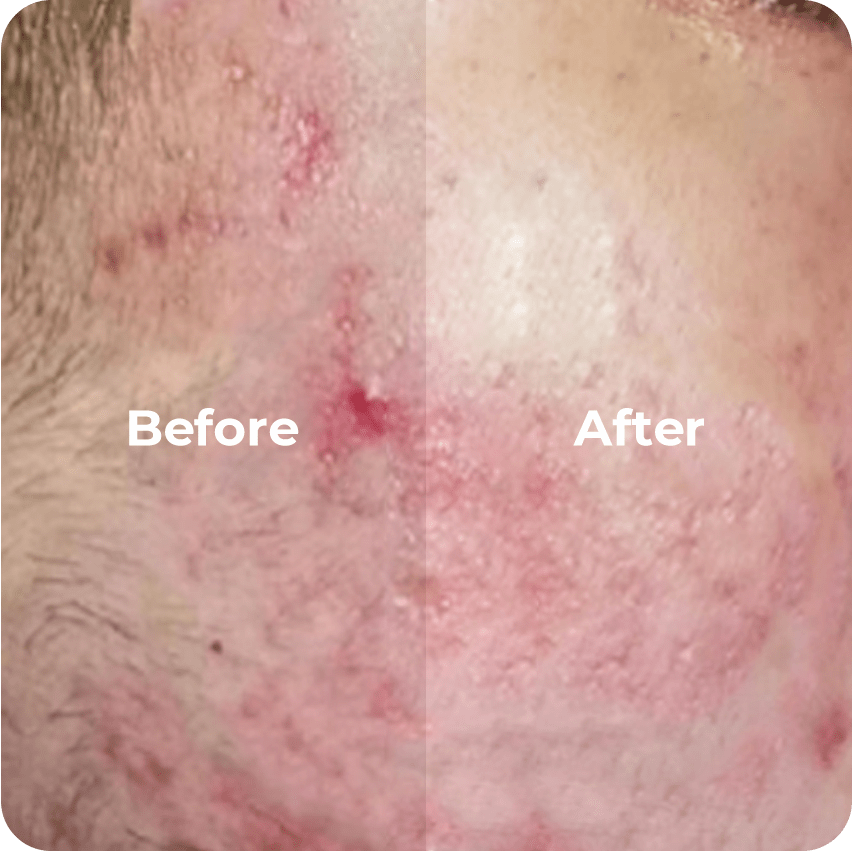
Three golden rules for selecting the right IPL strategy
1) Measure outcomes, not promises: demand audit data or clinical summaries showing sessions-to-clearance for your primary indications.
2) Total-cost accounting: include lamps, filters, expected downtime, and technician training when modeling ROI.
3) Match tech to patients: pick devices whose wavelength, spot size, and pulse settings suit the skin phototypes and conditions you actually see.
These are practical metrics that keep decisions grounded and align with the value ENZOEYS provides — reliable equipment and clear service pathways. —
ENZOEYS. Final thought — buy for the outcomes, maintain for the long run.