Why this sucks fast: planning and procurement go off-rails
Projects die slow deaths because specs get fudged, visuals don’t match, and the procurement chain moves like it’s stuck on low FPS. You think you ordered a 2.5mm indoor module and you get a 4mm outdoor beast — and suddenly the whole design fails. Use a live mockup early. Hook a realistic prototype to a test rack or a temporary led screen and you spot fit, brightness, and viewing-angle problems before contracts are signed. Quick iteration beats guesswork every time.
Core problems that trip teams up
Misread specs. Wrong pixel pitch. Unrealistic power or rigging assumptions. Long lead times you didn’t account for. Mismatched control systems. Each of these turns procurement into a reactive scramble. Teams waste money on emergency shipments, rework, and retrofits. The more stakeholders involved, the worse the chaos. Call it scope creep amplified by bad hardware visibility.
Experience speaks: field-tested sanity checks
I’ve run AV integration squads on arena installs and corporate campuses — we learned the hard way that seeing beats spec sheets. Trade shows like CES Las Vegas make the point loud: prototypes and real-time demos reveal thermal behavior, color uniformity, and mounting conflicts that docs miss. Treat those learnings as baseline: set up a small, powered test with a led display panel to validate brightness, gamma, and latency under real load. Those checks cut surprises during installation and procurement.
Practical steps to force better planning
Start with a verification rig. Get a short-run sample wall in the actual space or a lab. Run your content through the exact scaler and player you’ll use in production. Map power consumption per hour, check heat dissipation, and measure color shift at off-axis viewing. Lock mechanical tolerances with the riggers — bolt patterns and service access matter. Bake those acceptance tests into purchase orders. If a supplier resists sample validation, treat that as a red flag.
Procurement tricks that actually work
Write performance-based specs, not vendor-heavy model lists. Require acceptance criteria: pixel integrity, dead-pixel thresholds, color calibration window, and serviceability time. Stagger deliveries: modules and controllers before full frames so you can bench-test. Negotiate modular spares and a clear RMA window. Use code-based asset tagging so field teams can log failures and spot systemic issues quickly.
Common pitfalls teams keep repeating
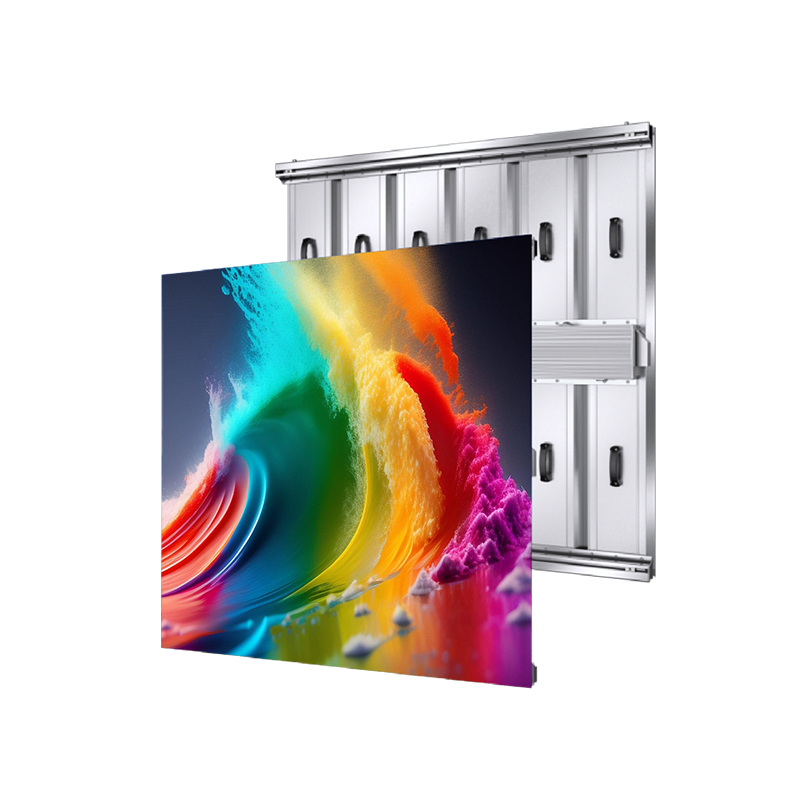
Assuming indoor vs. outdoor variant differences are cosmetic. They’re not — IP rating, brightness ranges, and temperature specs change long-term performance. Ignoring control electronics compatibility. Cheap power supplies that sag under load. Skipping service access during mechanical design. Buying purely on price and expecting the supplier to handle integration. Those choices create costly backtracks.
Quick alternatives and why they sometimes still lose
Projection and LCD video walls can be cheaper up front. Projection fails on ambient light and bezel-free clarity. LCDs give sharp images but struggle at very large sizes and seamless seams. If you need consistent high-bright visuals, high-frame-rate content, and predictable viewing across distances, LED modules usually win for long-term total cost of ownership and installation certainty.
Wrap-up: the practical payoff
Stop treating displays as line items. Treat them as systems you can prototype, measure, and lock down before the contract. That mindset shrinks risk, speeds procurement, and keeps installations calm. If you want the hardware and a predictable process that follows these checks, talk to vendors who support rapid validation and modular servicing — teams like HDC fit that profile without the hype.