Introduction — a small lab, a stubborn question
I once watched a graduate student pause at a rig, brow furrowed, as the subject failed to choose the cued arm of a maze—again. In neuro research, that pause is never just a pause; it carries data: 63% trial variance, flickers in firing rates, plus a room full of hypotheses. (You know the scene.)
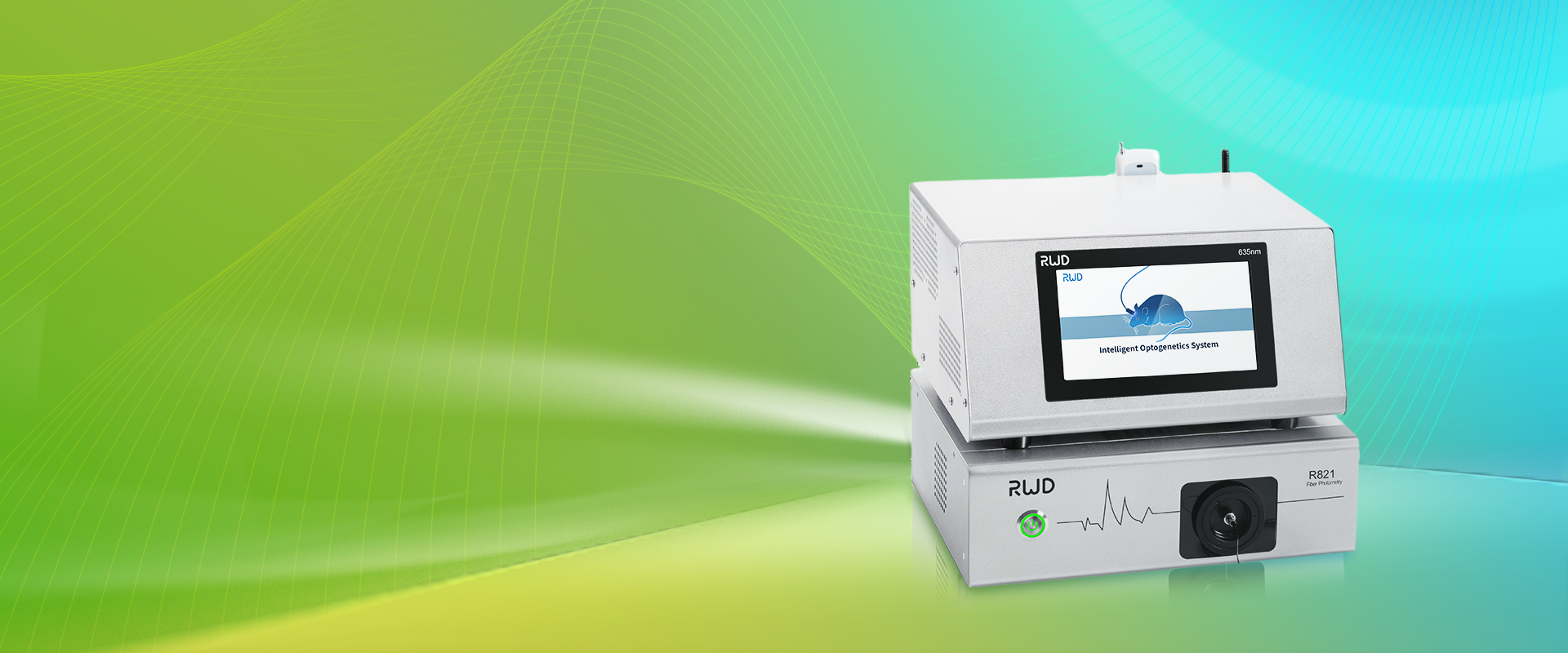
We ask: can we steer those misfires into clearer answers? I’m thinking of experiments where subtle timing and the right node make all the difference, and where a single better tool changes interpretation. This piece leads us from that bench-moment into the nuts of why precise control matters—and what to test next.
Where traditional approaches break down
optogenetic system setups promised pinpoint control, but in practice many labs still wrestle with blunt instruments: broad light spread, inconsistent targeting, and shockingly variable photostimulation parameters. I’ve seen rigs where optical fiber implants sit a fraction off-target, and channelrhodopsin expression varies across cells—so the data looks noisy, not because neurons changed minds, but because our toolkit did. Look, it’s simpler than you think when you watch a trace and realise the artifact is method, not biology.
Technical factors matter. Misaligned stereotaxic coordinates create sampling bias. Thermal drift in LEDs alters light output mid-session. And neural interface contacts age—they change impedance, they fail slowly. These are not glamorous faults, but they erode effect sizes and inflate false negatives. We need to be frank: many “failed” replications come down to these hidden variables—funny how that works, right? Our challenge is to diagnose the method before blaming the brain.
Why do these failures persist?
Partly because the fixes are cross-disciplinary: optics, genetics, and behavioral design must all sync. I argue we must treat the optogenetic stack as an engineering pipeline, not just a biological trick.
Looking forward: refining principles and future outlook
What I want next from an optogenetic system is reliability at scale. That means modular optical heads with calibrated LEDs, better sensors for in vivo light dose, and smarter control software that logs photostimulation parameters in real time. We’re moving from single-channel toggles to closed-loop timing—short latencies, adaptive thresholds—so experiments can react to spikes rather than pre-set windows. This reduces noise and tightens causal claims.
In practice, I foresee case examples where labs swap legacy fiber rigs for compact arrays and immediately see drops in variance. We’ll measure success by repeatability across cohorts and by clearer alignment between stimulation and behaviour. Also, combining precise light control with better viral targeting (yes, channelrhodopsin variants matter) will let us test microcircuits with fewer animals—ethics and efficiency together. The twin gains are clearer science and less wasted time—two things I value deeply.
What’s Next — three metrics I use when choosing a system
When I evaluate tools now, I weight these three metrics: repeatability of photostimulation output, fidelity of targeting (how often implants hit the intended coordinates), and the granularity of control software (logging rate, timestamp precision). Ask for data. Demand calibration curves. Compare baseline noise before and after integration. If a vendor cannot show those numbers, I walk.
To close, I’ll say this plainly: improving decision-making in neural studies is less about grand theories and more about rigorous tools and honest troubleshooting. We can be poetic about circuits, sure, but we win by measuring carefully and iterating fast. For labs seeking reliable optogenetic gear, I recommend checking specifications and real-world reports—and, if you want a starting point, look at what vendors like BPLabLine present alongside their data. I’ve been in the lab for a long time; I prefer tools that let the neurons speak clearly, not the equipment.