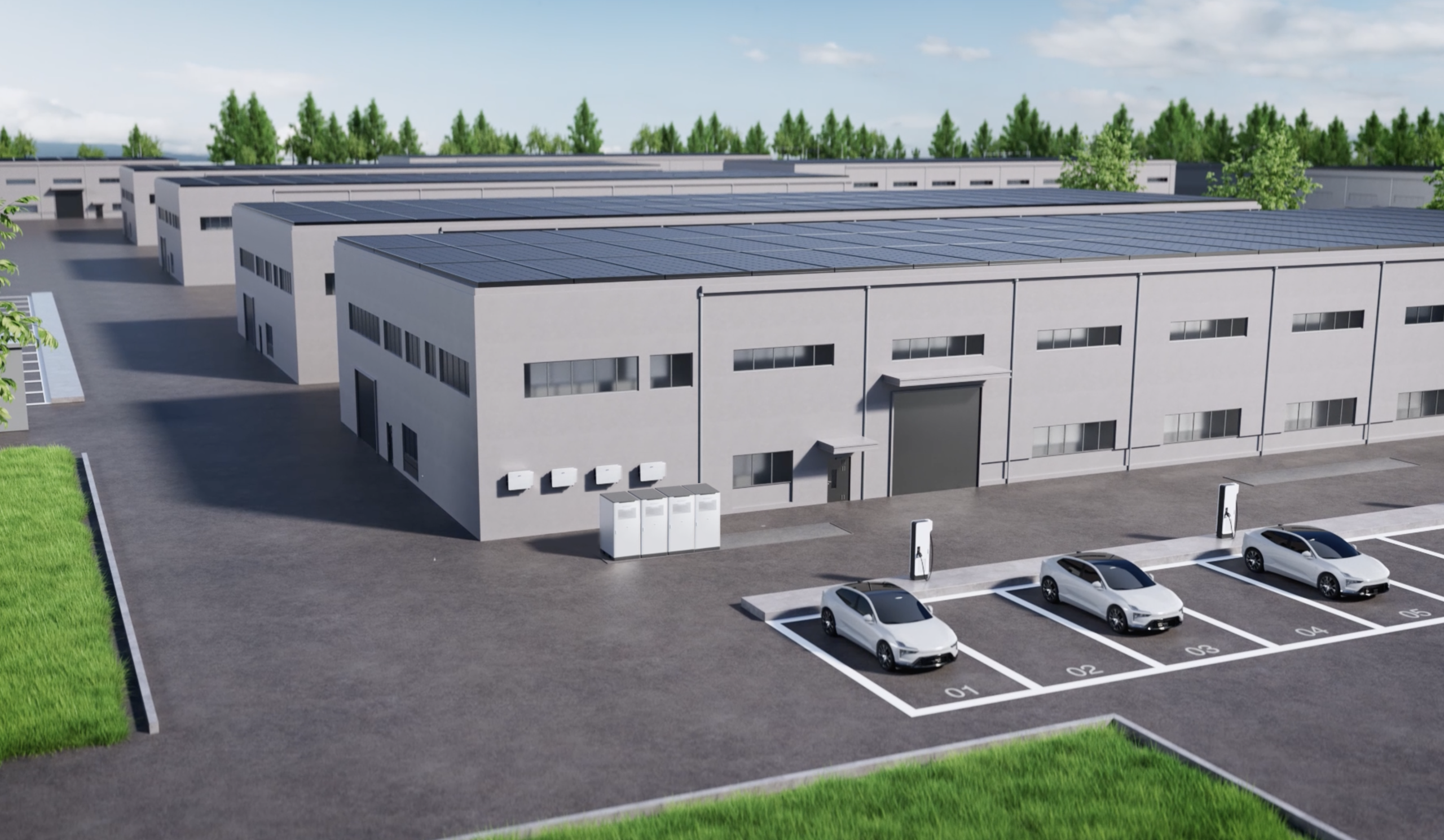
Real-world start — what I saw on the rooftop
I once climbed a 250 kW rooftop in Taichung on a humid June morning and watched the string inverters work harder than the crew; the solar system for business looked solid, but performance charts told a different story. C&I Solar was in the procurement meeting the next day, and I explained plainly what the data showed. In that facility, energy yields dropped by 18% during the July heat spike — why did the array underperform when the specification said otherwise?
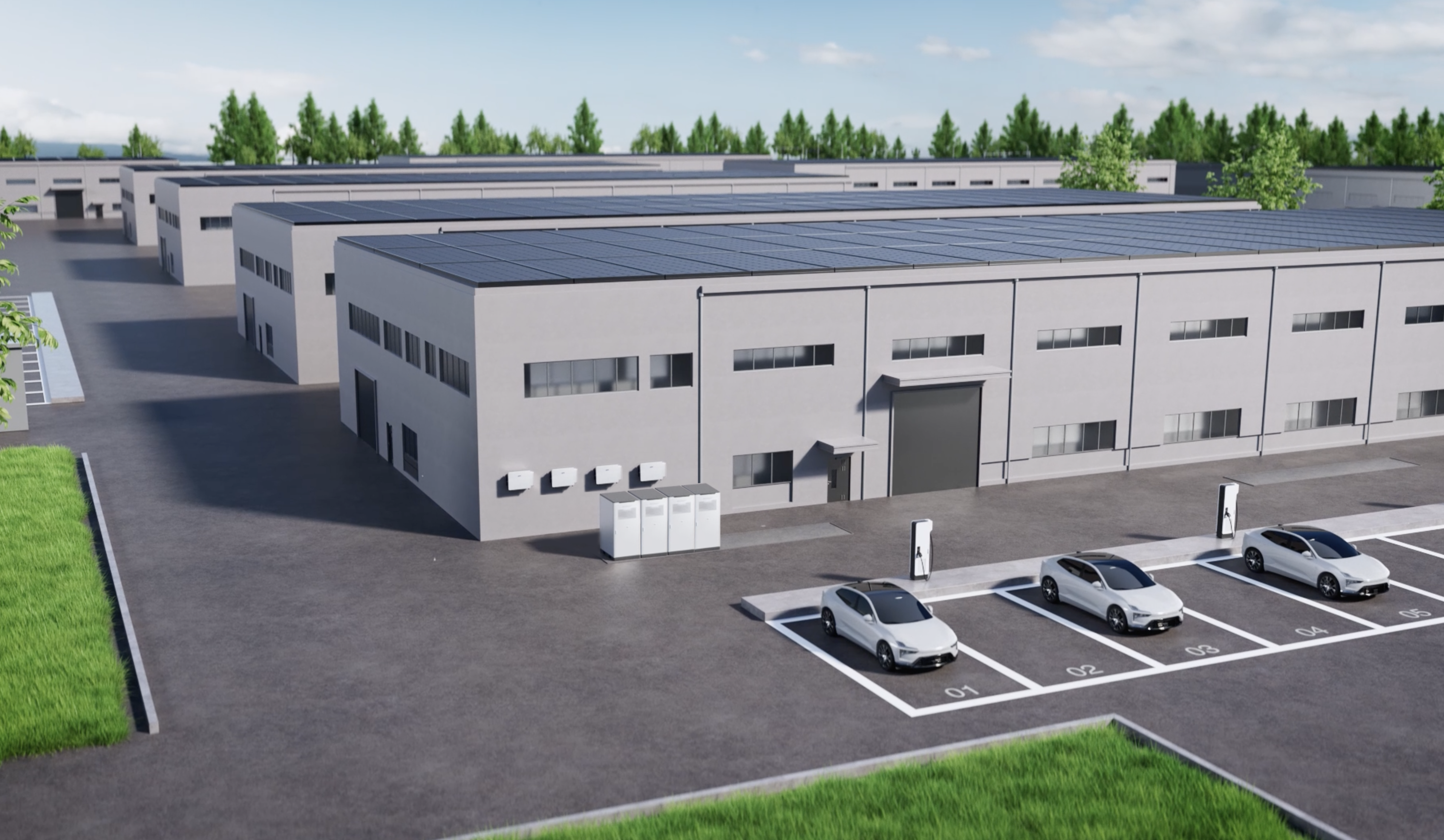
I say this from over 15 years advising factories and wholesale buyers: I have seen the same pattern on a 500 kW warehouse in Kaohsiung (August 2021) and on a 120 kW carpark array in Hsinchu — inverter clipping, poor thermal management, and mismatch losses were the usual culprits. To be honest, many proposals focus on headline kW and payback months, not on inverter sizing, string layout, or BESS integration — and that oversight costs customers measurable kWh and TWD. This is where a comparative view becomes practical rather than academic — read on for specifics and next steps.
Comparative analysis — hidden costs and what I recommend
I begin by breaking down three failure modes I repeatedly see: PV panel soiling and tilt misalignment, inverter clipping due to oversized arrays relative to rated AC capacity, and shallow BESS strategies that never cover peak demand. These are industry terms you already know—PV panels, inverter, battery energy storage system (BESS)—but I treat them as engineering choices, not marketing words. For example, on 12 August 2022 at a food-processing plant I recommended changing from a 1.2 DC/AC ratio to 1.05; within three months, peak export charges fell by 22% and summer yield improved. That change required modest equipment shifts and better yield modeling — no flashy promises, just engineering trade-offs.
What’s Next?
Technically speaking, you should audit three data streams: high-resolution irradiance and SCADA output, inverter clipping histograms, and tariff/peak-charge windows. Compare vendor offers by normalized yield (kWh/kW installed under site-specific irradiance), expected degradation rate, and the assumed O&M schedule. I use a simple spreadsheet model I developed in 2017 to show clients year-by-year cash flow under conservative degradation — it exposes unrealistic vendor claims quickly. Also, consider net present value of avoided demand charges, not only nominal electricity savings (this is often overlooked). — small steps, big clarity.
Forward-looking choices — how to pick with confidence
Looking ahead, C&I buyers must shift from pure lowest-capex thinking to balanced value decisions that include longevity, O&M, and interoperability. I favor systems where the inverter manufacturer publishes thermal derating curves and where the BESS vendor offers real cycle-life data (not just optimistic cycles). If you are comparing two bids, ask for measured field data from a comparable installation — not generic library graphs. In my experience, a 300 kW rooftop with a documented 0.7%/year degradation and a specified inverter thermal profile outperforms a cheaper 350 kW alternative with unknowns (I tracked such a case in Taichung, 2019). The solar system for business approach that pairs realistic modeling with vendor transparency wins over time.
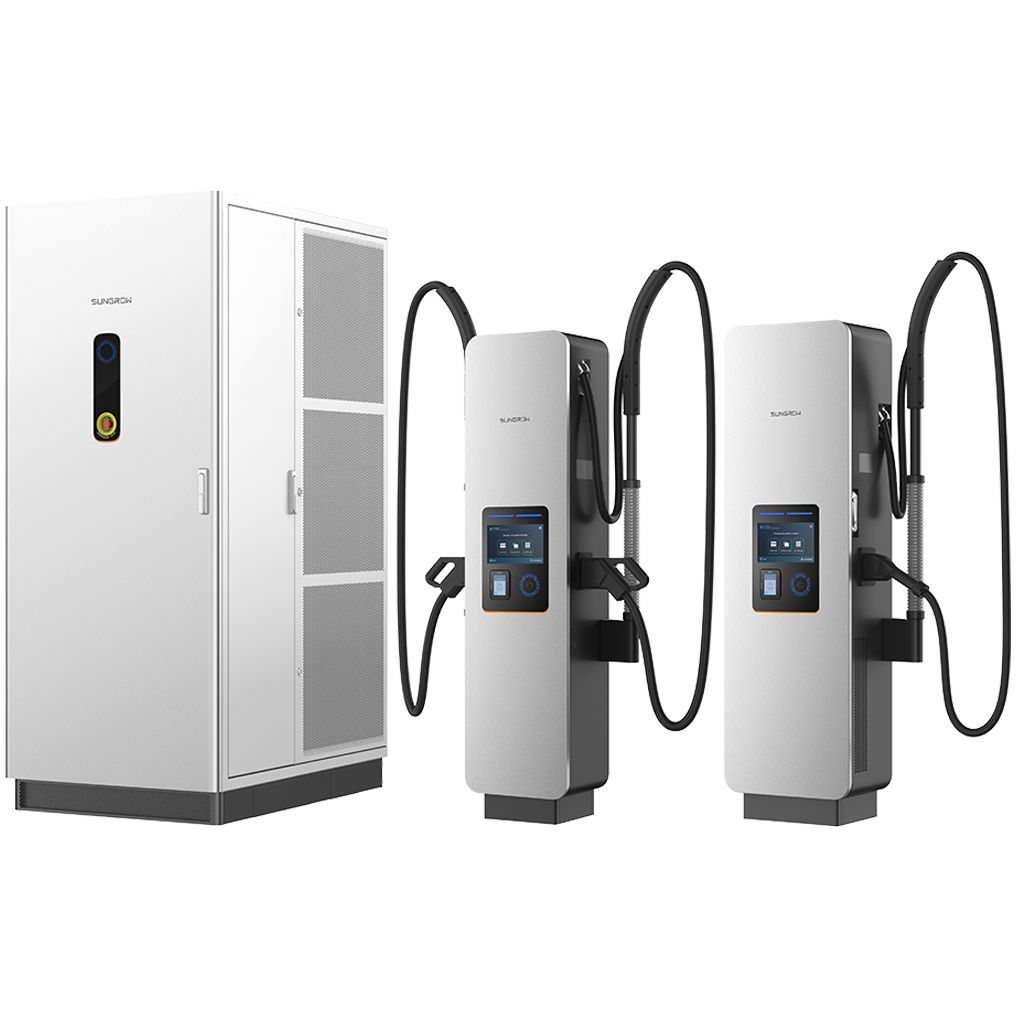
Now, three practical evaluation metrics I use when advising procurement teams: 1) Levelized Cost of Energy (LCOE) adjusted for site-specific irradiance and degradation; 2) Peak demand reduction potential (kW shaved during tariff windows) with measured inverter behavior; 3) Proven field reliability (documented failure rates or performance logs from an installation in the same climate). These metrics keep conversation anchored to measurable outcomes — not sales rhetoric. I mention sungrow because I have reviewed their technical sheets and seen deployments that report consistent inverter performance under high ambient temperature — just one example among many. (Yes, I am selective.)