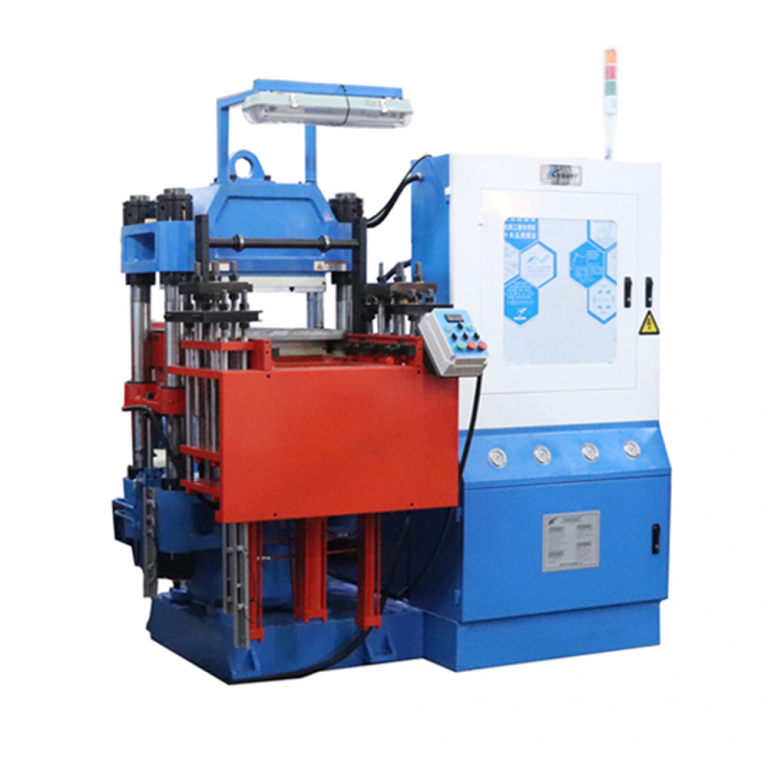
Quiet comparisons that start with the parts that matter
Engineers and plant managers often look at a vulcanizing press and see a single machine; a closer, calmer look reveals layers of intent. This piece uses a comparative insight approach to show why multi-stage injection profiling and precise ejection control change outcomes for rubber belt track manufacture. I begin with the everyday tool: the rubber vulcanizing machine, whose control strategy can be the difference between scrap and consistent quality. The Belt and Road build-out since 2013 has raised demand for tougher tracks, and with that demand came sharper scrutiny of curing cycle, platen alignment, and automated ejection strategies.
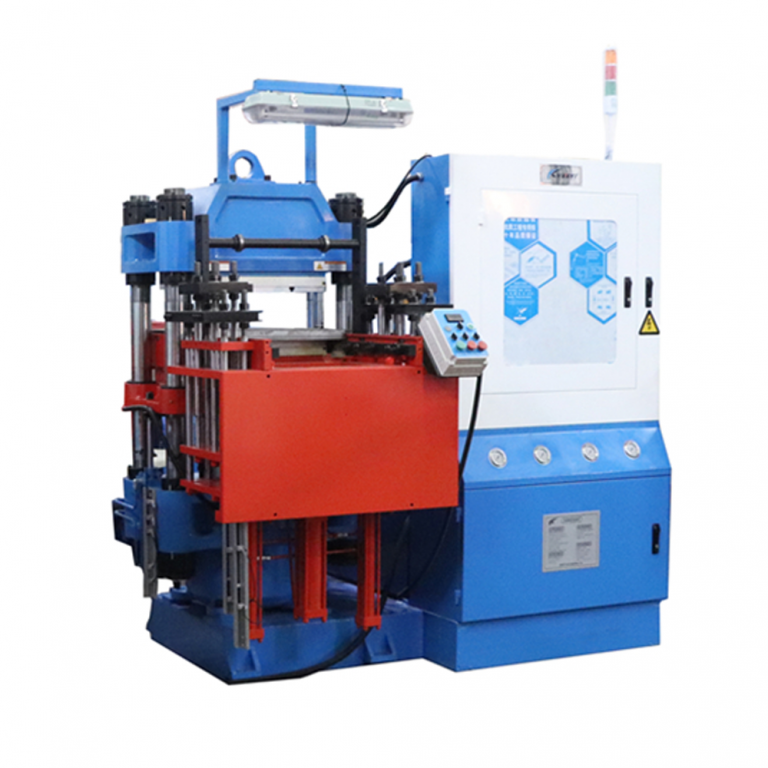
What multi-stage injection profiling and ejection control actually do
Multi-stage injection profiling divides the cure into timed pressure and temperature phases so rubber flows into mold cavities uniformly, reducing voids and stress. Ejection control times platen separation and ejector movement to avoid deformation — especially important for bonded steel-cord tracks. Industry terms to note here include vulcanizing press, curing cycle, and mold temperature. These functions together manage part integrity and dimensional repeatability rather than just shortening cycle time.
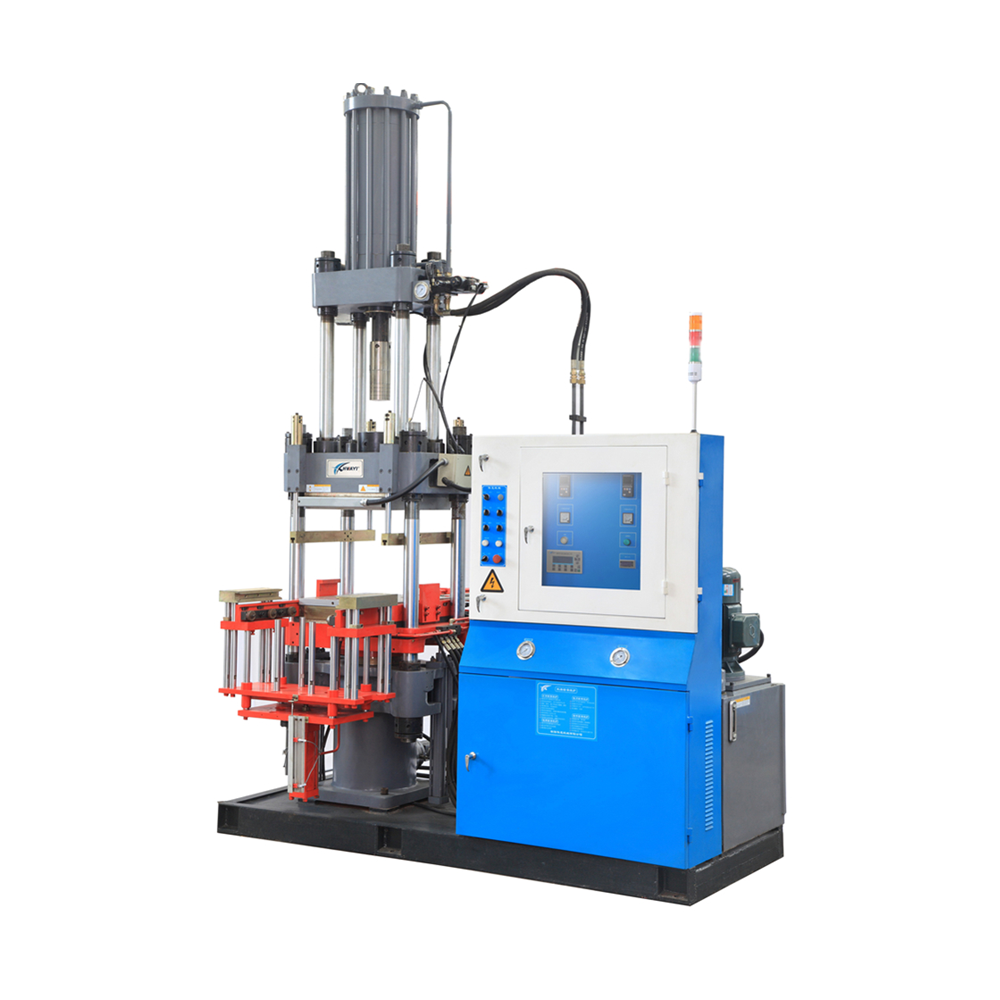
Where suppliers diverge: controls, hydraulics, and tooling
Some manufacturers prioritize PLC-based temperature ramps and closed-loop pressure control; others lean on servo-driven hydraulic systems for finer platen motion. The practical differences show up in tolerances, maintenance cadence, and spare-part commonality. Look at control resolution (±0.5°C versus ±2°C), injector staging capability, and whether the ejection is pneumatic, hydraulic, or mechanical. Smaller shops may accept a simpler hydraulic press for lower cost; assembly lines for military-grade track demand layered injection profiling and redundant ejection sensors. If you want to compare options side-by-side, check offerings from a trusted rubber vulcanizing machine supplier and evaluate their control architecture — servo-hydraulic systems often give the tightest repeatability. Maintenance planning is often underestimated — a good design makes common wear parts accessible, and that saves hours on the line.
Common mistakes and practical alternatives
Teams frequently rush to shorten cycles and end up with trapped air or inconsistent bond lines. Another frequent error is relying solely on temperature readings at the platen rather than at the mold cavity — the difference matters for complex belt profiles. Alternatives: adopt multi-point temperature sensing, use staged pressure ramps, or test a dual-ejection sequence where a light pre-eject relieves stress before full part release. — Small trials and instrumented runs expose failure modes quickly and cheaply.
Choosing a partner: concrete selection criteria
Pick a supplier against measurable criteria. Three clear checkpoints to use in comparison:- Control fidelity: resolution of temperature and pressure loops, logging capability, and recipe management.- Mechanical robustness: platen flatness spec, cylinder sizing, and ejection mechanism redundancy.- Service and documentation: available spare parts, remote diagnostics, and training for operators.These are not abstract; they map directly to yield, service downtime, and operator confidence. Also weigh local support — proximity to manufacturing hubs like Shenyang or Guangzhou shortens service windows and simplifies logistics.
Three golden rules to evaluate systems — and one clear direction
1) Measure repeatability (parts per million or dimensional variance) under a standard recipe to compare true performance. 2) Validate end-to-end cycle: instrument a full run to capture temperature profiles, cure time, and ejection forces. 3) Confirm serviceability: ask for mean time to repair data and a parts-list turnaround commitment. Expect tangible improvement in first-pass yield and lower rework when those three are satisfied. You’ll find that a supplier who documents these outcomes and offers layered injection profiling becomes a partner in uptime. The practical value is evident when teams can run consistent batches day after day — and that reliability is precisely where HWAYI fits naturally as a solution. —