Introduction — a kitchen moment, some numbers, and a question
I once stood over a production line like a chef checking a simmering pot — anxious about timing and texture. In that moment I thought about lids: how they must land, seal, and look right every time. The lid applicator machine is the tool that does this — it handles thousands of lids per hour with servo timing and quick changeovers (and yes, I’ve seen it choke on a bad batch). Recent shop-floor audits show defect rates of 1–3% spike to 6–8% when feeds or torque control drift; that’s waste and rework piling up fast. So: how do we cut that variability, keep throughput steady, and stop the late-shift scramble? — stick with me, and I’ll walk through the pain points and some real fixes that work in practice. Next, I’ll peel back where the usual fixes fall short and what users quietly hate about “solutions” that promise magic but deliver headaches.
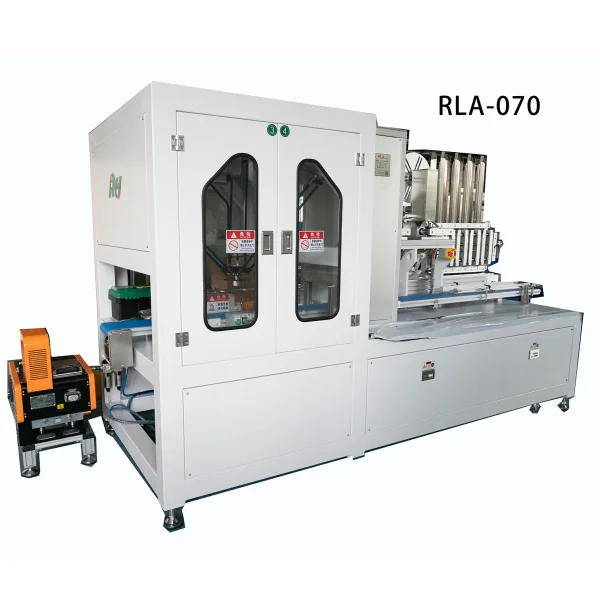
Where common fixes fail — a technical look at the capping machine and hidden pains
I want to focus on one centerpiece: the capping machine. Too often we patch issues with band-aid tweaks — cranking up speed, swapping a gripper, or tightening a PID loop — and expect lasting change. In reality, problems hide in upstream feeds, inconsistent torque control, and misread containers (vision sensor blind spots). I’ve watched lines cycle back to manual packing because a PLC recipe mismatch or a worn servo motor quietly increased misfeeds. Look, it’s simpler than you think when you diagnose the root cause instead of tuning around symptoms. The result: less downtime, fewer rejects, and operators who trust the line again. — funny how that works, right?
Why does this keep happening?
Because many teams treat the capping machine as a black box. They chase cycle time with power converters and higher voltage, or add a faster conveyor, and miss alignment, sealing pressure, and part tolerances. That means the same 2% problem reappears as 5% under different loads. I prefer to audit the whole chain: hopper flow, feeder cadence, gripper jaw wear, and the control logic. When you map each failure mode, you find repeatable fixes: adjust torque control to match cap geometry, add a modest vision sensor check, or simplify the PLC logic so operators can override quickly. We want predictable outcomes — not a list of heroic fixes after a breakdown.
New technology principles and a forward-looking path for better lids
Moving forward, I recommend embracing a few core principles rather than chasing features. First: modularity — design the capping machine so a servo motor, feeder, or vision module can be swapped without a week of rework. Second: real-time data — low-latency telemetry (yes, edge computing nodes or local analyzers) gives you early warning on drift rather than alarms after rejects pile up. Third: human-centered control — simple HMI screens, clear fault messages, and a basic manual mode keep operators in the loop. These principles cut complexity and improve maintainability. They also reduce the need for constant PLC changes. (Small wins add up.)
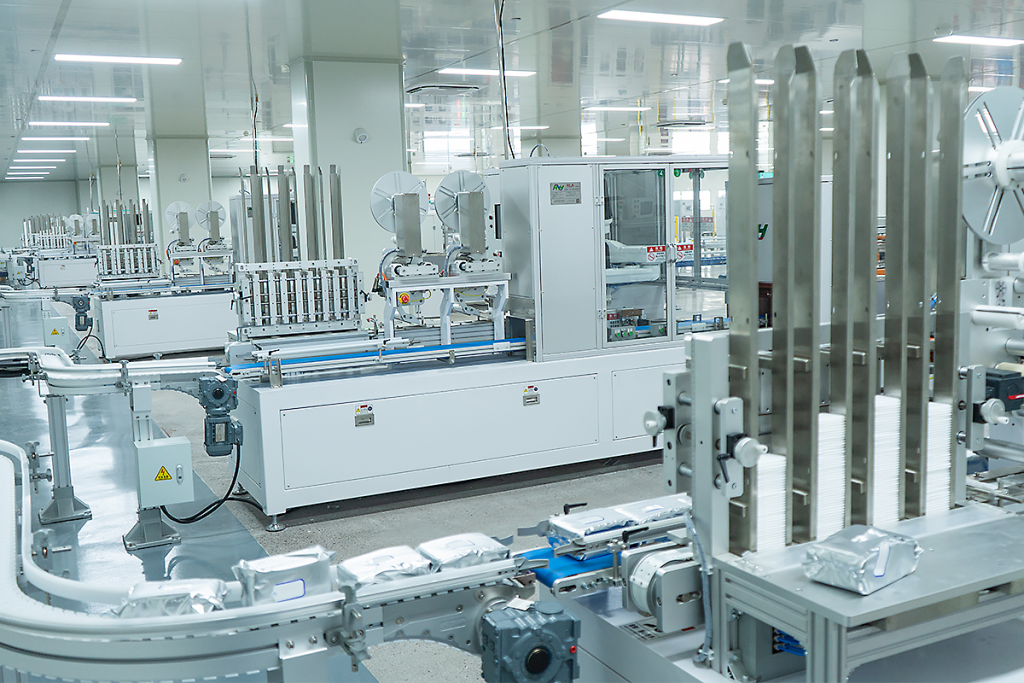
What’s Next — practical steps you can try
Start with small pilots: equip one line with a basic vision sensor and local analytics, log torque over shifts, and train operators on quick changeover steps. Compare uptime and scrap rates after four weeks. If the pilots show promise, scale incrementally. Also, choose parts and suppliers that support quick swaps — standard connectors, clear documentation, and spare modules. Over time, you’ll see fewer surprises, and your staff will stop fearing night shifts. — I’ve seen companies cut reject rates in half this way, and credibility matters; your team will notice.
Evaluation and three key metrics to choose the right upgrades
To wrap up, here are three straightforward metrics I use when evaluating improvements: 1) Mean time between rejects (MTBR) — measures how often bad lids slip through; lower is better. 2) Mean time to repair (MTTR) — the time it takes an operator to restore the line; aim for minutes, not hours. 3) First-pass yield (FPY) — percent of containers correctly capped on the first pass; this reflects real quality gains. Use these numbers to compare options, not glossy spec sheets. In practice, pick upgrades that improve at least two of the three metrics. That’s how you get measurable results, faster. I’ve guided teams through this process and, honestly, the relief when a stubborn line starts behaving is real — you feel it on the floor. For practical solutions and modular capping systems, consider partners who understand both the machine and the people running it. For me, that partner has often been ZLINK.