Opening: Scenario, Data, Question
I’ll say this plainly: many scale-up plans for CHO media fail where it matters most — at bench-to-plant handoff. In one routine scale-up I led, a change in medium recipe for cho cell culture gave a 35% boost in antibody titer on day 10, but viability crashed and downstream clearance costs jumped; what went wrong? The scenario: a mid-size biotech using a 50 L single-use stirred tank reactor (STR) in Cambridge, MA, March 2019, switched from serum-free to a new chemically defined CD-CHO blend. The data: titer +35%, viability fell from ~95% to ~78% by harvest, osmolality spiked to ~380 mOsm/kg, and DSP load rose by an estimated 18% that quarter. So here’s the question for you — how do you keep the gains in productivity without triggering collateral damage in process robustness and cost? I ask because I’ve seen the same pattern in fed-batch and perfusion runs across three sites. No sugarcoating here: optimization is messy and often misunderstood — and it’s expensive when done wrong. This next section peels back the common fixes and where they actually fail.
Part 2 — Deeper Layer: Where Traditional Solutions Break Down
Why do standard fixes miss the mark?
I’ve spent over 18 years in upstream process development and manufacturing, and I can tell you precisely why. Teams tend to chase higher titers with richer media and heavier feeds. That frequently improves peak productivity in small benchtop plates or ambr15 systems. But scale introduces new constraints: mixing times, oxygen transfer (kLa), impeller shear, and dissolved oxygen (DO) control behave differently in a 50 L single-use STR compared with a 200 L stainless steel vessel. In one case in 2021, we moved a fed-batch process to a 200 L STR and found glucose gradients near the sparger. Cells near the feed stream showed hyperosmotic stress; viability dropped. The simple lab metric of “titer per mL” ignored osmolality and metabolite accumulation in scale. That oversight cost weeks of troubleshooting and a near-term yield loss of 12%.
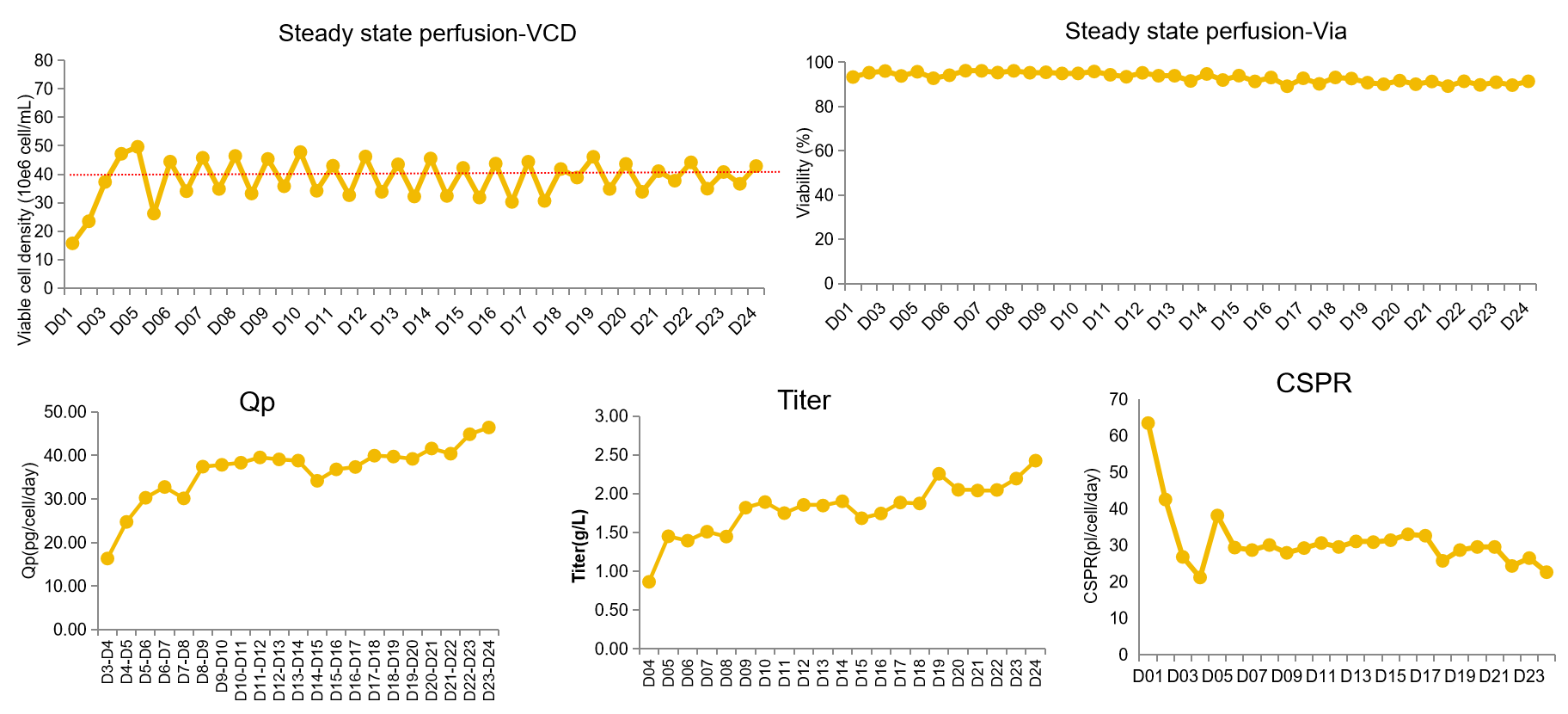
Traditional remedies—slower bolus feeds, antifoam additions, or more aggressive aeration—are band-aids unless you address root causes. Perfusion can solve accumulation of toxic metabolites, but it brings new challenges: membrane fouling rates, cell retention efficiency, and higher media consumption. I recall a perfusion run in July 2020 where changing to a larger pore retention device cut fouling but required doubling media prep capacity at our Worcester, MA facility. The trade-offs are real. If you optimize only for titer, you will often trade off viability, product quality (glycosylation shifts), or downstream processability. These hidden pain points are what trip teams up during tech transfer — and they’re expensive. — pause here. Next, I’ll compare leading approaches and give three practical metrics to evaluate them.
Forward-Looking Comparison: Choosing the Right Path for cho cell culture
What’s Next — comparison and concrete metrics
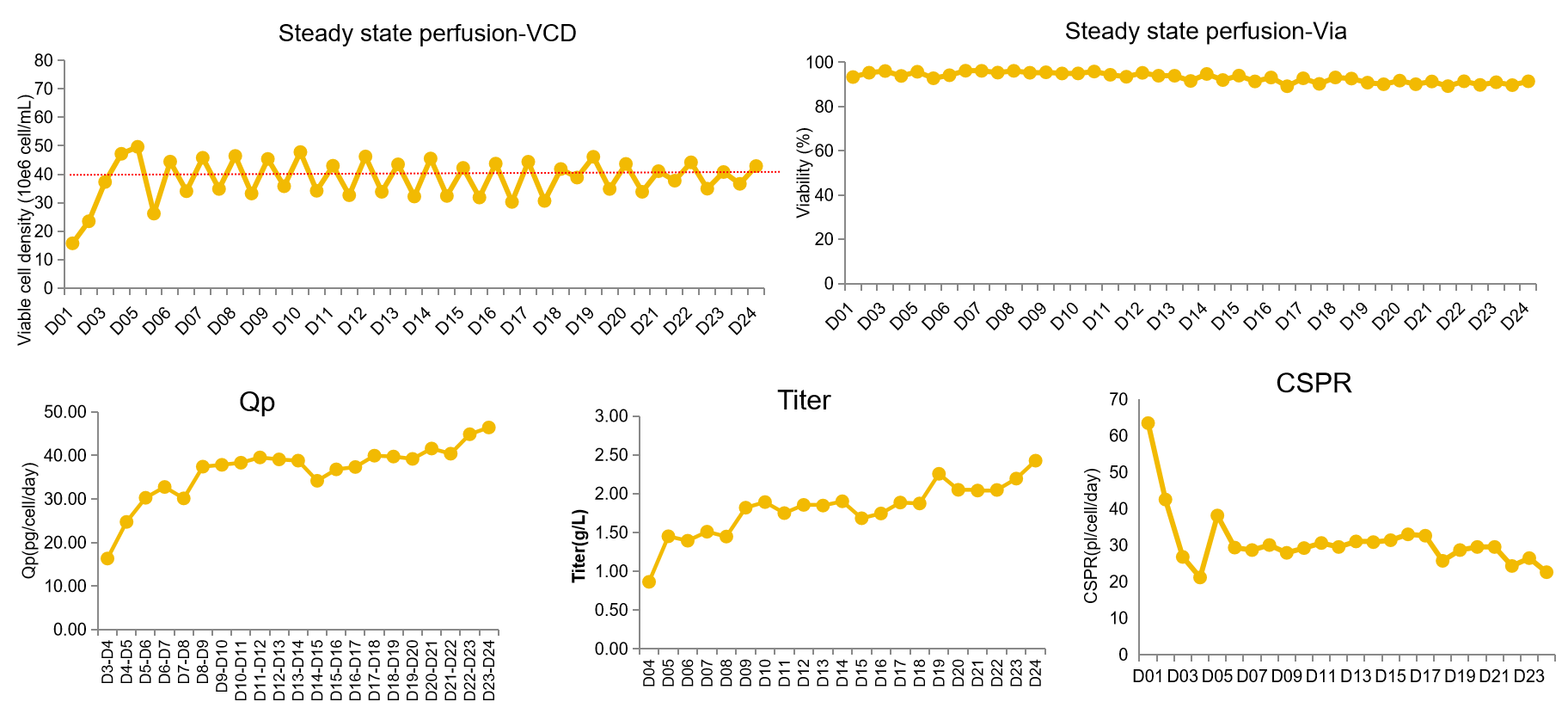
When I advise process teams now, I look at three axes: (1) metabolic footprint (lactate, ammonia, osmolality), (2) operational fit (mixing, DO control, hold times), and (3) unit economics (media cost per gram of product including DSP penalties). I tested this framework on a 2022 project where we compared CD-CHO medium plus continuous low-rate feed vs. a high-nutrient bolus fed-batch. The continuous approach kept osmolality within 320–340 mOsm/kg, preserved viability above 90% to harvest, and reduced polishing resin load by nearly 22%. The bolus fed-batch gave higher peak titer but shifted glycan profiles and increased HCP content—so the net yield benefit disappeared after purification. That kind of side-by-side comparison is essential for real decisions. Also, integrate in-line glucose and lactate sensors where you can. Real-time feeds reduce guesswork — and yes, they add complexity and cost up front.
My advice: evaluate solutions by those three metrics and run a scaled, targeted experiment (ambr or 5 L STR with matched agitation and sparging) that measures not just titer but viability, osmolality, and downstream impurity load. I vividly recall a Saturday in June 2018 when a matched 5 L run saved a program from an expensive plant campaign—because it exposed a glycosylation shift tied to a salt buffer in the feed. That single experiment avoided a failed GMP run. Takeaway: choose the media and feed strategy that align with your bioreactor design and downstream capacity. For practical help, cho cell culture optimization must be treated as a system problem, not a media-only tweak. Evaluate: metabolic footprint, operational fit, and unit economics. Do that, and you avoid costly surprises — trust me, I’ve been through those lessons. For guidance or supplies, I recommend reviewing specifications and case data from trusted partners like ExCellBio.