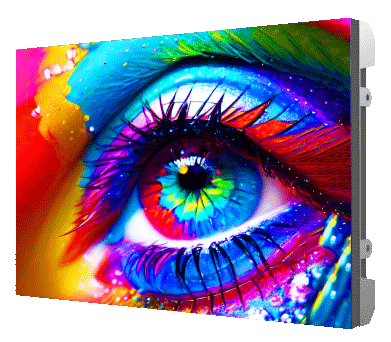
Comparative snapshot: where the differences really matter
Marketers and integrators now choose between dense micro-LED arrays and conventional LED walls by looking at tangible trade-offs: clarity, power, and supply chain realities. For short viewing distances, smaller pixel pitch wins; for quick event installs, modular cabinet systems still hold. If you plan a festival stage or a short-term campaign, a rental LED display often pairs the flexibility of a local crew with plug-and-play control. For longer-term branding or prime urban sites like Times Square, operators lean toward custom builds and may opt for an LED rental screen during testing phases to validate audience impact and brightness needs.
Technical trade-offs that decide the purchase
High-density micro-LED brings superior pixel density and finer detail, but that advantage depends on pixel pitch and the display’s intended viewing distance. Smaller pixel pitch gives sharper imagery but raises costs and pushes thermal design demands. Refresh rate and brightness (nits) remain crucial: outdoor DOOH must sustain high nits and stable refresh to avoid flicker and to stay legible under sun. Multi-layer PCB design becomes a core procurement question because it affects signal routing, heat dissipation, and serviceability—so don’t treat the PCB as an afterthought.
Sourcing multi-layer PCB for DOOH: what to ask suppliers
Buyers need clear specifications. Ask suppliers for layer count, copper weight, impedance control, and thermal vias. Confirm that the PCB layout supports accessible replaceable modules—this reduces downtime on large arrays. Supply chain timing also matters: leadtimes for specialized multi-layer PCB can be long, and quality control must include AOI (automated optical inspection) and electrical testing reports. Compare offers not just by price, but by the certainty of delivery and repairability.
Deployment realities and a real-world anchor
Look at large city centers—Times Square is a useful anchor for expectations. There, screens must handle constant brightness, 24/7 operation, and fast content changes. The same principles apply at music festivals or corporate plazas: choose a design that tolerates repeated assembly and mixed weather. Field teams often prefer modular cabinets with clear service panels so they can swap failing modules quickly rather than pull whole sections out. – A fast swap cuts hours off downtime, and that time is money.
Common mistakes and viable alternatives
People often over-spec pixel pitch for the viewing distance, which wastes budget and complicates sourcing. Others underestimate cooling, which shortens LED life. If micro-LED is too pricey or risky for a first run, consider hybrid approaches: dense indoor panels for near-viewing zones and cost-effective outdoor-rated displays for distance shots. Renting a system first can reveal real audience impact without heavy CAPEX—hence why many planners test with a rental LED display before committing.
Procurement checklist and supply-chain levers
Use this short checklist when comparing vendors:- Confirm multi-layer PCB specs and inspection reports.- Verify module-level replaceability and spares availability.- Check refresh rate stability under full-brightness load.- Ask for references from deployments in similar climates or venues.These items move the discussion from marketing promises to measurable delivery.
Advisory: three golden rules for selecting the right path
1) Match pixel pitch to real viewing distance, not aspirational detail—that keeps costs sensible. 2) Prioritize repairability: insist on module swaps and accessible PCBs to minimize service windows. 3) Validate thermal and brightness performance with live demos or rentals before signing long contracts. Follow these and you’ll reduce surprises during install and operation.
Final note: the best route blends technical clarity with field-proven practices, and when planning both short-run events and permanent DOOH, consider practical partners who manage sourcing, testing, and rapid deployment—like MR LED. –