The problem: when mixes refuse to behave
I’ve watched formulations that should have been simple fall apart on the factory floor—creams that split, inks that streak, emulsions that coalesce overnight. The culprit is predictable: insufficient shear and inconsistent residence time. An inline high shear mixer cuts that uncertainty by forcing controlled turbulence where it matters, shrinking droplets and aligning particles so the final product actually behaves the way the formula promises.
Why conventional mixers leave you exposed
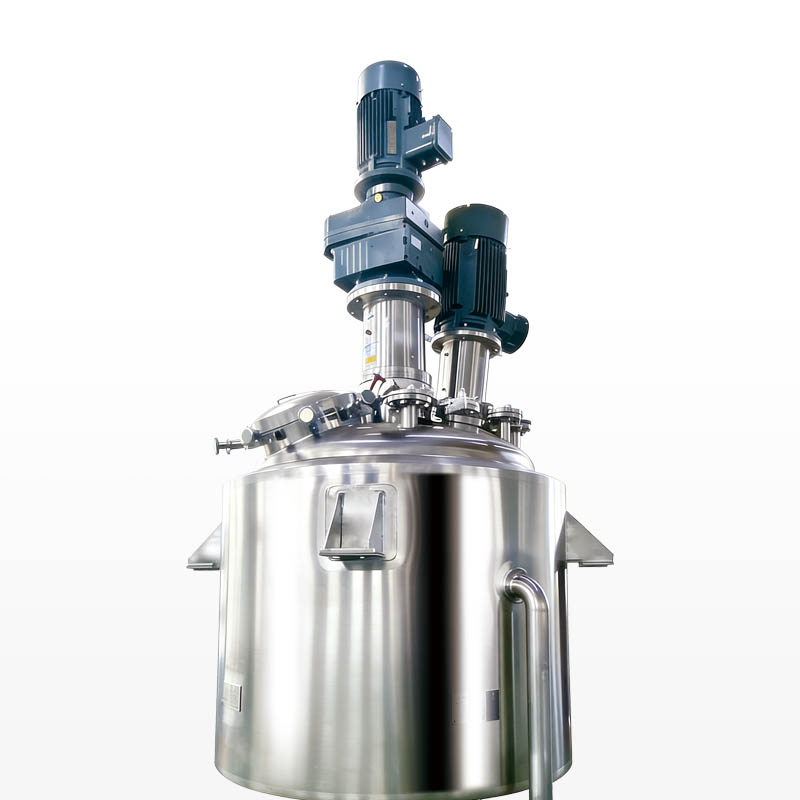
Standard agitators create bulk flow but rarely address local shear. Dead zones form, temperature gradients creep in, and scale-up amplifies those flaws. That gap between lab and plant shows up as off-spec batches, rework, and angry customers. You need targeted shear, repeatable residence times, and a design that tolerates cleaning cycles—otherwise the problem returns with every scale-up.
Experience that proves the fix
I’ve spent years troubleshooting mid-run separations at plants serving European pharma clusters near Basel, and the pattern repeats: replacing broad-stroke mixing with focused homogenization fixes product stability far more often than tuning paddle speed. Peer-reviewed work in journals like the Journal of Pharmaceutical Sciences and industry papers back this: controlled high-shear processing reduces droplet size distributions and improves shelf stability. Practical field runs confirm lab predictions when an inline high shear homogenizer is selected and integrated correctly.
Common mistakes that undo gains
Choose the wrong rotor-stator gap and droplet control fails. Ignore viscosity changes during feed and pumps stall. Assume higher RPM always means better dispersion—often it raises temperature and degrades heat-sensitive ingredients. Skimp on seals and you get leakage and contamination headaches. Overlooking CIP access makes downtime worse. The fix is specific checks: match shear device to viscosity and solids load, control feed temperature, verify pump compatibility, and design for cleaning access from the start.
Alternatives and when they make sense
Ultrasonic processors can be brilliant for nanoemulsions at low throughput but struggle with high-solid slurries. High-pressure homogenizers excel at ultra-fine dispersions but demand heavy maintenance and high energy. Colloid mills work for low-viscosity systems but lose effectiveness as solids climb. For most industrial-grade emulsions and suspensions that need continuous, repeatable output with scalable throughput, an inline high-shear approach balances performance, maintainability, and footprint.
Practical selection rules
Decide by load: batch if you need long dwell times and complex staging; inline when you need consistent droplet size with minimal floor space. Check shear capability against target particle size, confirm materials of construction for your chemistry, insist on serviceable rotors and seals, and validate CIP compatibility. Run small-scale trials that record droplet-size distribution and temperature rise rather than relying on feel or visual checks.
Where this leads you
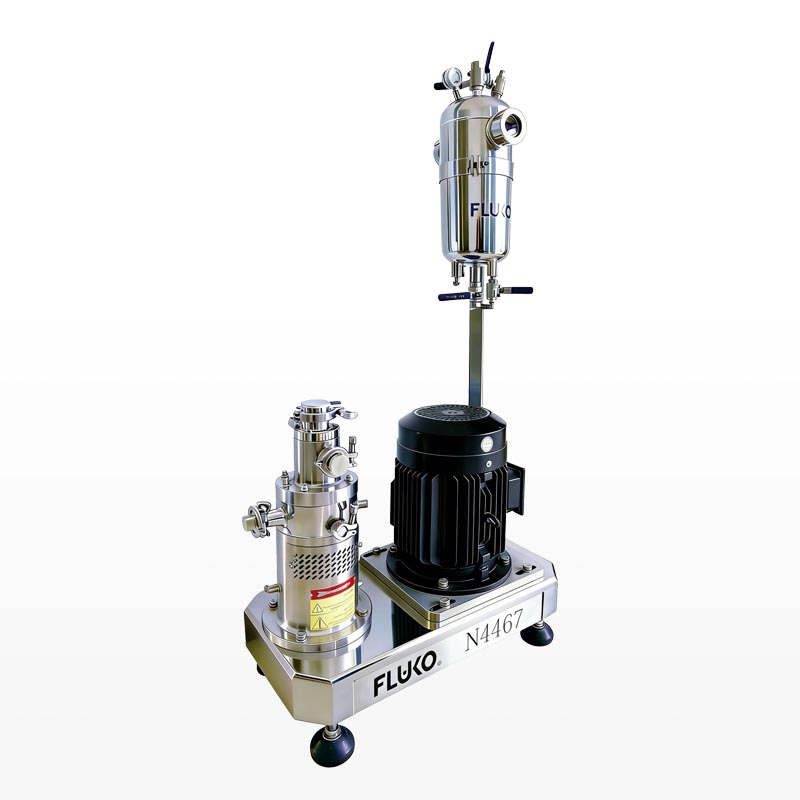
Problems don’t hide—they compound. Fix the mixing mechanism, and the rest follows: fewer rejects, predictable scale-up, and product performance that doesn’t surprise you. When a process demands repeatable shear, targeted dispersion, and practical plant serviceability, the right homogenizer delivers those outcomes consistently, a reality confirmed on production lines and in published studies, and that is the precise value teams like FLUKO bring to the table.