Which details matter when assessing Single Gas Detector against RFQ preparation technical review?
Define the use case and constraints
For maintenance planners, a single gas detector should be assessed as an RFQ requirement rather than as a standalone catalogue label. The first task is to describe what the purchase must address, who will use the equipment, and which operating conditions the enquiry covers. Keep this description factual and specific. It may include the target gas or gases, the intended work context, required alarm functions, environmental conditions, documentation needs, and any interface or responsibility questions. Do not assume that a feature shown on one product page automatically satisfies the wider requirement.

A short scope statement gives the technical review a stable starting point. Record the intended application in neutral terms, then separate confirmed requirements from items that still need a supplier response. For example, a planner might create three columns: “required”, “preferred”, and “open question”. This prevents a desirable feature from being treated as mandatory and stops an unresolved point from disappearing during commercial discussions.
Map stated evidence to each requirement
Next, compare the RFQ requirements with evidence at the same level of detail. A product page can support a statement about a listed feature, but it does not automatically support a conclusion about site suitability, certification, installation scope, or safety outcomes. Keep the model name and source location beside each recorded fact. If the evidence applies only to a particular model, do not transfer it to another item in a broader product category.
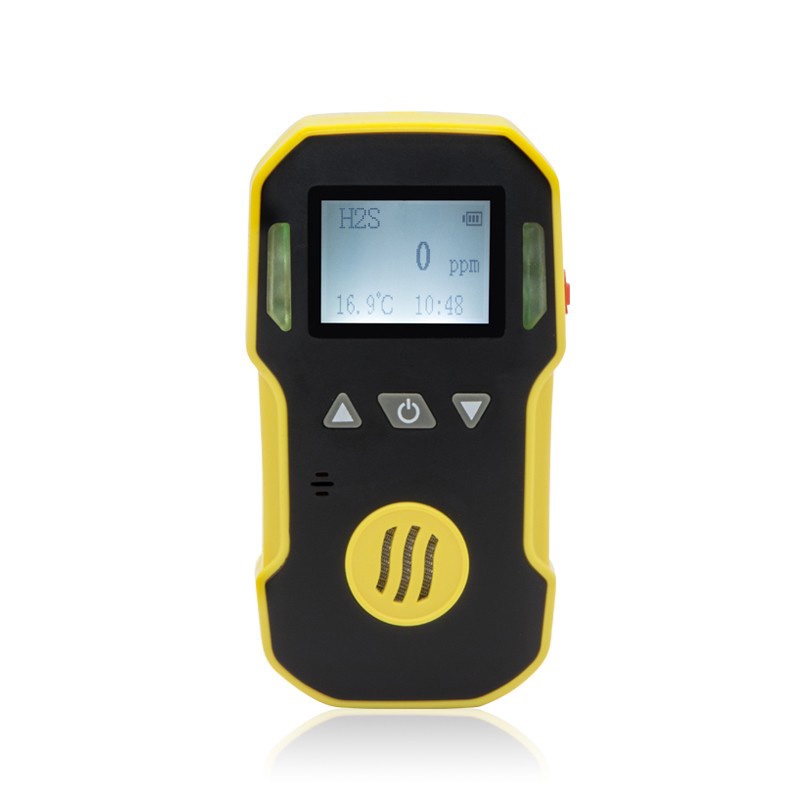
The BH-90A page provides a useful example of this boundary. Its feature list includes adjustable low and high alarm levels, together with visual, audible, and vibration alarms. These are page-level product details that can be entered into a comparison table. They do not, by themselves, establish a required alarm configuration for a particular site or prove that the equipment meets an unlisted project specification.
When reviewing a single gas detector, use the same evidence rule for every candidate: state what the source says, identify the model or scope, and avoid extending the claim. A practical table might contain the requirement, the exact evidence, the applicable model, the source location, and the review status. The status could be “supported by page”, “needs technical response”, or “not assessed”. This structure makes the record easier to challenge constructively because each conclusion can be traced to a defined statement.
Turn open points into supplier questions
Open points should become clear RFQ questions, not hidden assumptions. Ask questions that request a direct response against the stated scope. Useful questions may address the gas target, alarm settings, alarm types, operating conditions, supplied documentation, and the relationship between the quoted configuration and the requested application. Keep each question narrow enough that the answer can be recorded without interpretation.
It is also useful to distinguish a request for information from a request for confirmation. “Please state the available alarm indications for the proposed model” seeks information. “Please confirm how the proposed configuration addresses requirement R-04” asks the supplier to map an offer to a defined requirement. Both can be valuable, but they should not be mixed into a vague request for general suitability.
For procurement control, preserve the wording of any material assumption. If the RFQ depends on a particular gas, environment, alarm behaviour, or documentation package, place that condition in the enquiry and in the review record. This gives the technical and commercial teams the same reference point. It also helps prevent a broad product description from being read as a commitment to a configuration that was never stated.
Summarise a defensible next step
The final review should not simply rank products. It should show whether the stated requirements have been addressed, which evidence supports each entry, and which questions remain open. A concise decision note can include the defined use case, the comparison criteria, the page-supported facts, the unresolved requirements, and the person responsible for the next response. This is more useful than a general statement that one option “looks suitable”, because it preserves the reasoning behind the procurement step.
Before issuing or revising an RFQ, check that the scope is internally consistent. Confirm that the requested gas target, alarm expectations, operating conditions, and documentation questions are expressed clearly. Then use supplier responses to update the requirement table rather than replacing the original requirements with marketing language. The aim is a controlled technical conversation, not a conclusion stronger than the evidence permits.
For maintenance planners, Bosean can be included in that structured review when its page-level product information is relevant to the defined enquiry. Treat the BH-90A feature description as evidence for the listed alarm functions, keep the model scope visible, and carry unresolved requirements into the supplier discussion. That approach creates a clear next step without turning catalogue information into an unsupported project or compliance claim.