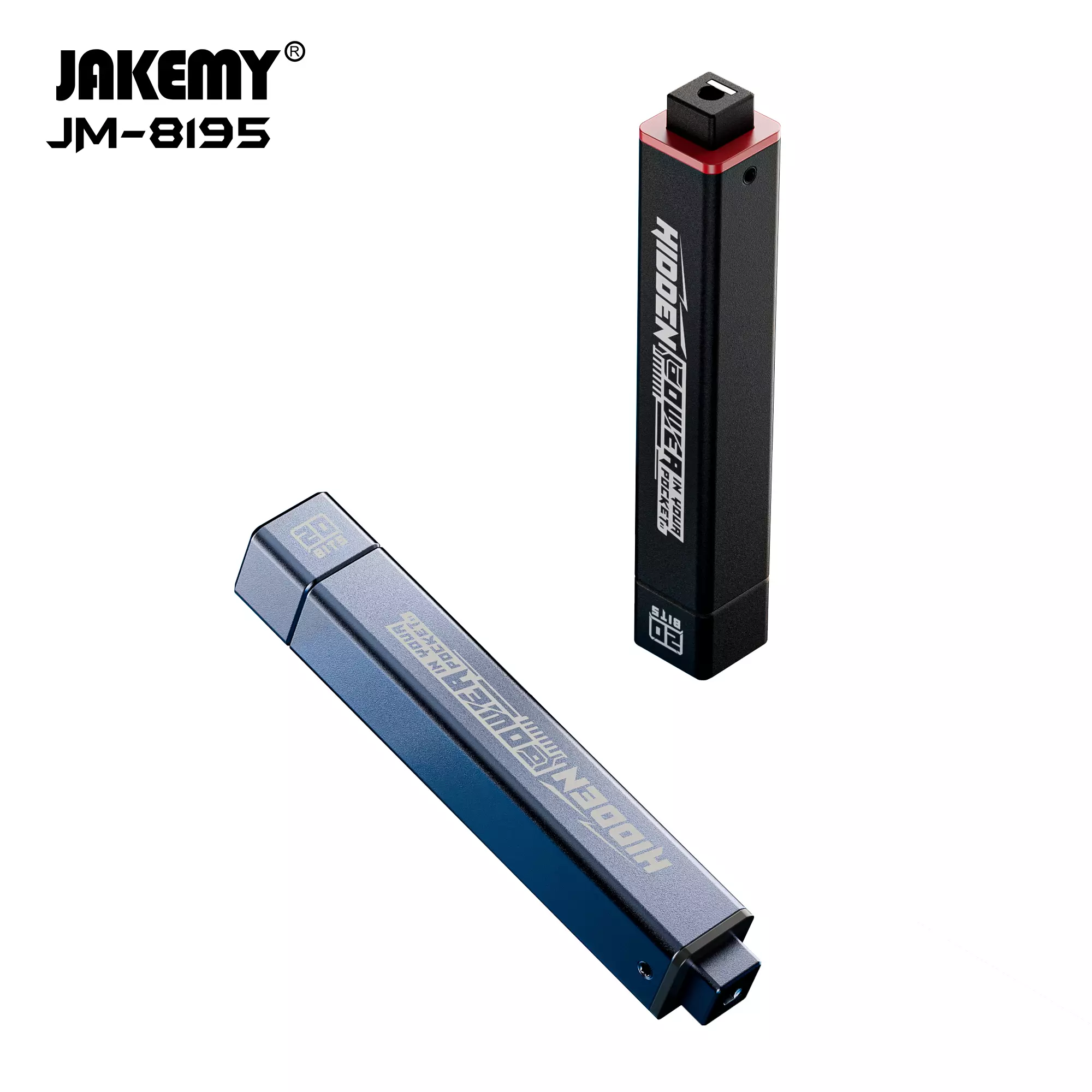
Look, when you’re on the bench grinding through a stack of busted gadgets, you don’t need drama — you need tools that behave. That’s why I put the jakemy jm-8139 into proper side-by-side with a couple of other kits and real-world teardown notes from the iFixit community. The goal here is straight: find out which budget set gives pro-level repeatability for everyday repairs without shredding your patience or your screws.
What a solid budget “pro” set actually delivers
Cheap sets lie about versatility. A solid pick nails three things: durable precision bits, predictable torque feel, and magnetic tips that actually hold a screw while you line it up. You want bits that don’t mushroom after a dozen electronics jobs and a driver that sits comfy in your hand for longer sessions. The case matters too — not just for looks, but for keeping organized on messy desks.
Jakemy JM-8139 vs the usual suspects
Here’s the real comparative insight: I compared build feel, bit fit, and daily reliability across Jakemy, an iFixit-style precision driver, and a cheap generic multi-bit set.
– Jakemy JM-8139: Crisp machining on the bits, good set of Phillips and slotted heads, a handful of hex and Torx, and sensible ergonomics. Magnetic driver holds small screws steady without turning them into a paperclip magnet mess. Value-wise, it lands the sweet spot for DIY pros who want repeatability.
– iFixit-style kit: Premium finish, slightly tighter tolerances on the bit sockets, and cleaner torque feedback. Price goes up, but you get longevity and a compact bit organizer built for teardowns.
– Generic multi-bit: Great specs on paper, poor durability in practice. Bits wobble after a few jobs, and magnetic tips are more like suggestions.
The jakemy screwdriver set slides into that middle ground — better than freebies, not as wallet-busting as boutique sets. If you want one link in your toolkit, that’s where it lives.
Common selection mistakes — avoid these
People chase bit counts like trophies. Too many bits equals clutter and indecision. Pick sets offering the most-used types first: precision bits for electronics, Phillips and slotted for household fixes, and a couple of hex/Torx for furniture or appliances. Don’t ignore torque control — over-tightening is the silent killer of threads. Also: cheap cases that dump the bits across your bag are worse than no case at all. — Keep it tidy.
Alternatives worth considering
If Jakemy isn’t your vibe, consider these clean substitutes: iFixit’s precision driver for long-term teardowns, a mid-range Wiha set for hand-feel and torque control, or a focused electronics kit with ESD-safe bits if you’re dealing with PCBs. Each alternative trades one thing for another: durability, ergonomics, or price.
How to use a precision set without wrecking stuff
Start with the right bit fit; a snug fit reduces cam-out. Use magnetic tips to hold screws, but don’t rely on them when aligning delicate parts — slow and steady wins. When fastening small electronics, apply gentle torque and stop when threads seat, then back off a hair. Replace worn bits immediately; a rounded tip ruins sockets fast. Keep the driver and bits clean — dust and grease change fit and feel.
Three golden rules for choosing repair gear
1) Fit over flash: Choose sets where bits seat cleanly in screws — fit prevents damage and speeds jobs. 2) Practical bit selection: Prioritize common sizes (small Phillips, slotted, hex, Torx) instead of chasing rare specialty bits. 3) Durable tips and decent torque feedback: Magnetic tips are great, but feel under load matters more for repeatable results.
For straight-up value that keeps daily fixes moving, the jakemy screwdriver set earns the nod — it balances precision bits, useful torque feel, and a case that stays organized. Real folks on teardown threads in 2020–2022 leaned into these same practical traits during the Right to Repair discussions, so this isn’t just opinion; it’s how people actually fix things. Jakemy — the low-cost, dependable edge for your bench. –