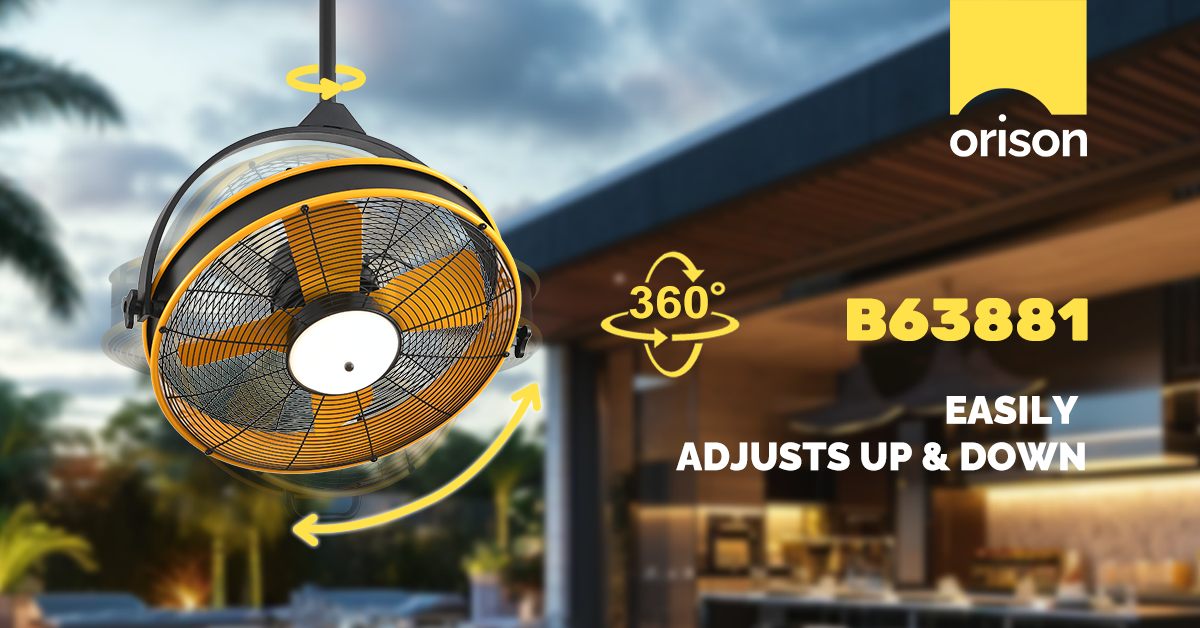
Why a comparative approach helps you choose
Different rooms have different needs — that’s why a side-by-side view helps more than a single recommendation, lah. In a cramped Kowloon apartment you care about airflow, compact sweep, and glare-free lighting; in a spacious Victoria Peak-style living room you want high CFM, balanced aesthetics, and motor torque to move more air. The U.S. Department of Energy notes a ceiling fan lets you raise the thermostat by about 4°F without losing comfort, so picking the right ceiling fans with light matters for both comfort and power bills. This comparative lens ties specs to real-world outcomes — lower bills, fewer complaints, faster cooling.
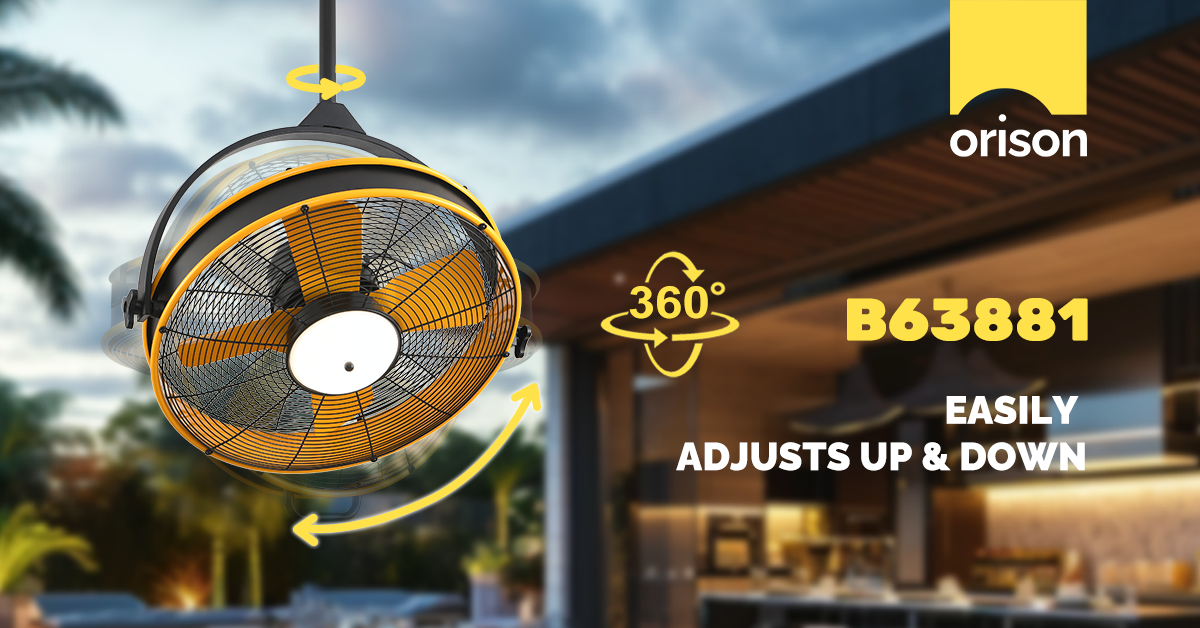
Core specs to compare (quick checklist)
Before you buy, focus on three measurable things: sweep diameter, motor type, and lumen output. Sweep diameter defines coverage — small rooms do well with 36–44″ fans, large rooms need 52″ or larger. Motor type (DC vs AC) affects efficiency and quietness. Lumen output from integrated LEDs tells you whether the fan can be primary lighting or just accent. Also glance at mounting type (flush vs downrod) to match ceiling height and ensure proper airflow.
Small spaces: what matters most
Small flats demand compactness and multitasking. Choose a 36–44″ sweep with a low-profile (hugger) mount if ceiling height is tight. Prioritise a high-efficiency DC motor if you want strong airflow at low energy use — Hong Kong summers mean fans often run all day, so efficiency counts. Integrated LED with 800–1,200 lumens usually suffices for general living areas, but layer task lighting if you read or cook near the fan.
Large rooms: where power and balance win
For larger rooms, upsizing the sweep to 52″–72″ improves comfort without the fan screaming in high RPM. A higher blade pitch and stronger motor give better CFM (air movement) while keeping lower speeds for noise control. If your living room also has an open-plan dining area, consider a reversible motor to help winter circulation. And remember: mounting height matters — a downrod often improves efficiency by getting blades into the occupied zone.
Smart features and integration
Smart controls, dimmable LEDs, and occupancy sensors turn a simple fan into a more useful device for modern apartments. Integration with a home system lets you schedule run times or combine fan speed with air-conditioning to avoid waste. Many buyers think “smart” equals expensive, but sometimes modular controllers let you upgrade a good fan later — so you don’t overpay at purchase.
Common mistakes people make — and how to avoid them
Brands and installers often see the same slip-ups: wrong sizing, ignoring clearance rules, and mismatched light quality. Don’t pick a fan because it looks small and cute — check its effective CFM for the room size. Measure ceiling height before choosing mount type; too-low blades are a hazard. And specify colour temperature for integrated LEDs so your living area doesn’t end up too cool or too yellow — 2700K–3000K is usually warm and friendly. Test with sample installations when possible — that prevents surprises on move-in day. —
Noise, maintenance, and longevity
Noise often comes from cheap bearings or poor mounting. Look for sealed bearing motors and anti-vibration brackets. Regular cleaning keeps blade pitch and balance true, preserving CFM and reducing motor strain. If you live in coastal areas of Hong Kong, choose corrosion-resistant finishes to prevent premature wear — salt air is brutal on metal. Also consider warranty terms and availability of replacement parts; a long warranty usually signals manufacturer confidence.
Alternatives and trade-offs
You might choose a powerful ceiling fan, a tower fan, or rely on split-system air-conditioning — each choice trades energy use, upfront cost, and comfort feel. Fans complement AC by improving perceived coolness and letting you raise thermostat setpoints. For renters, portable fans or low-cost flush fans may be practical. For owners who plan renovations, investing in a high-quality, efficient fixture makes more sense — it lasts longer and often saves money over time. If you’re swapping fans across rooms, keep an eye on blade compatibility and motor ratings — not every blade set fits every motor.
Real-world anchor: a quick case from Central Hong Kong
In a 350 sq ft Central flat I helped outfit, a 42″ fan with a DC motor and 1,000-lumen LED reduced reliance on the AC in the shoulder months — occupants felt more comfortable and used the AC less often. That practical result mirrors broader guidance from energy authorities: correct fan selection reduces AC runtime and electricity load. For urban homes and apartments, practical tests like this matter as much as spec sheets.
Advisory: three golden rules for picking the right fan
1) Match sweep to room: small rooms 36–44″; medium 48–52″; large 56″+. Measure first. 2) Prioritise motor efficiency and noise: prefer DC motors for long-run savings and quieter operation. 3) Verify light quality and mounting: choose LEDs with 2700K–3000K for living spaces and ensure downrod length suits ceiling height.
These three metrics keep decisions measurable and avoid the “looks good but underperforms” trap.
—
For a blend of energy-wise performance, tidy aesthetics, and smart-home readiness, many homeowners end up choosing products that make installation, efficiency, and reliability straightforward — and that’s where Orison often fits naturally into the solution.