Introduction: When Silence Says More Than Slides
Picture a summit room at dawn. The lights hum, screens glow, and a hush settles before the first voice. A paperless conference system carries the agenda to every seat, yet all eyes wait on the sound. In many rooms, the real hero is multimedia system sound, though it often goes unnoticed until it fails (we’ve all been there). In surveys, over 60% of attendees judge meeting quality by clarity of speech alone. One bad buzz, a clipped word, or a 250 ms delay, and attention slips. Beamforming mics try to help. The latency budget fights to keep up. But here’s the quiet truth: when the audio is off, the message fades—no matter how strong the deck.
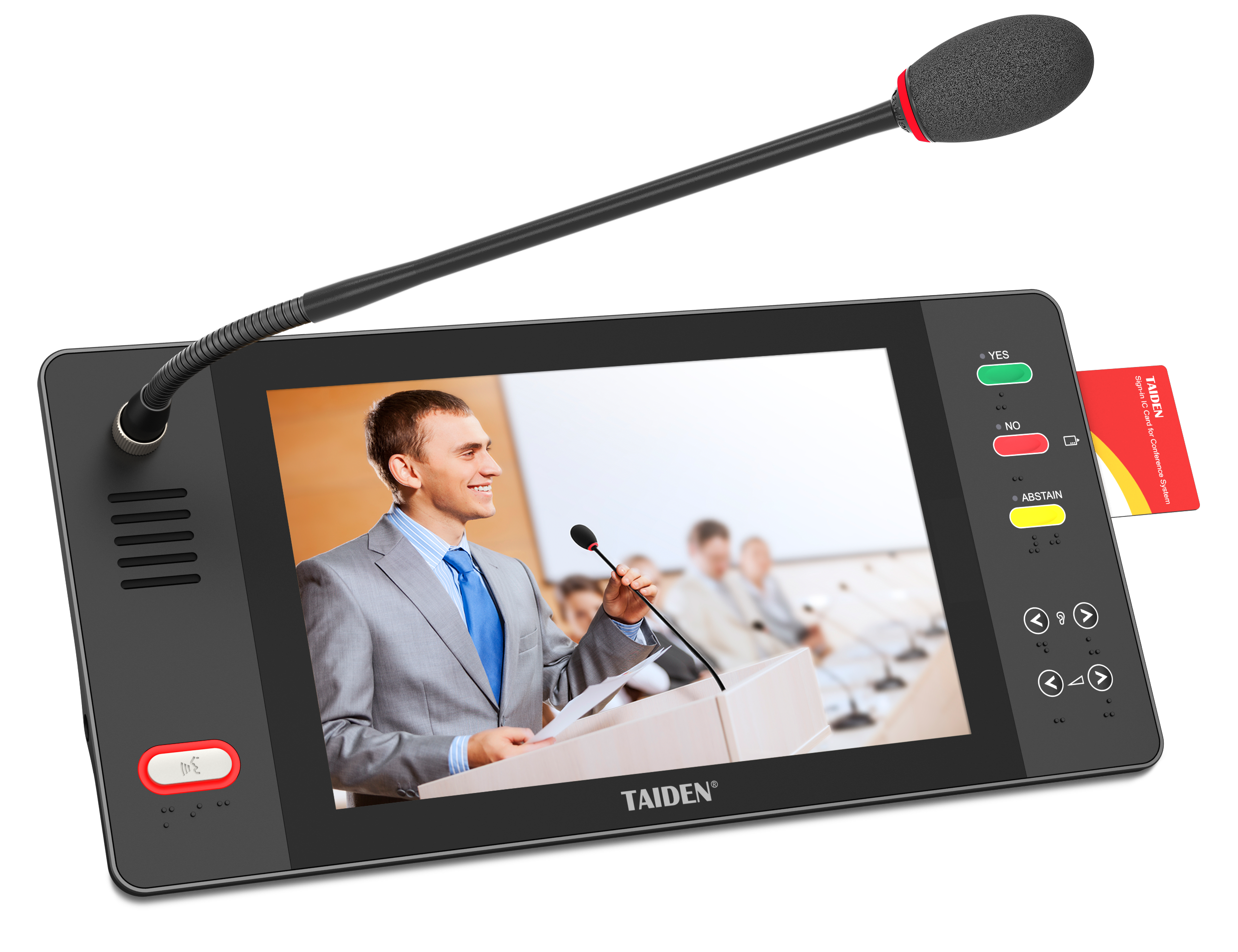
So, what if the fix isn’t just turning knobs? What if it is about how rooms breathe, devices power up, and signals travel? Data shows that a third of support tickets trace back to sound paths, not hosts. That’s a hint. As knowledge sharers, we can listen better, and design with care. Ready to find the deeper gaps and close them gently? Let’s move there.
The Hidden Frictions Behind “Good Enough” Sound
Why do rooms still crackle?
Let’s be direct. Most audio pain in modern halls is not magic; it is physics plus setup. Traditional rigs bolt on more mixers and more gain. They rarely fix the chain. Ground loops creep in through uneven power converters. Long cable runs pick up EMI. DSP blocks fight with aggressive AEC, and the result is a thin, sharp voice. Add a soft ceiling and glass walls, and you get flutter echo. The old answer—“Just raise the volume”—feeds feedback. It also masks the real issue: signal integrity. When edge computing nodes sit far from endpoints, packets wander. QoS lapses. A fine talk turns into a puzzle of missing syllables.
Look, it’s simpler than you think. Map the path. Keep mic-to-DSP-to-amplifier runs clean and short. Use shielded lines and proper PoE for endpoints. Separate AV and lighting power. Treat the first reflection points, not the whole wall. If you stream, align clocking across AES67 or Dante to avoid jitter. Then tune the microphone beamforming width to the room’s size, not the vendor default. A few small moves stop many big aches. And yes, test with a talker who mumbles—because real life mumbles.
Comparative Insight: New Principles for Clearer Meetings
What’s Next
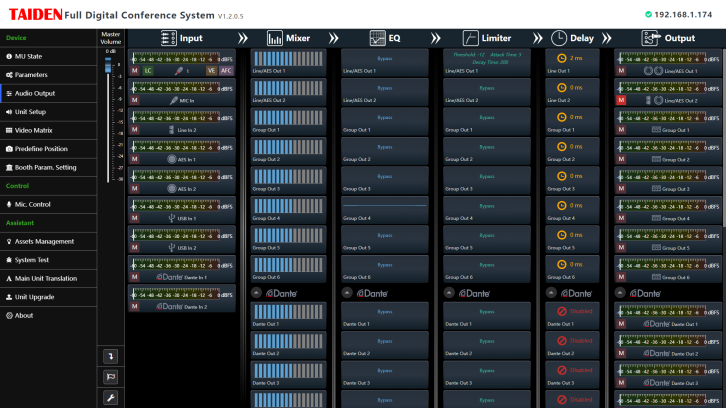
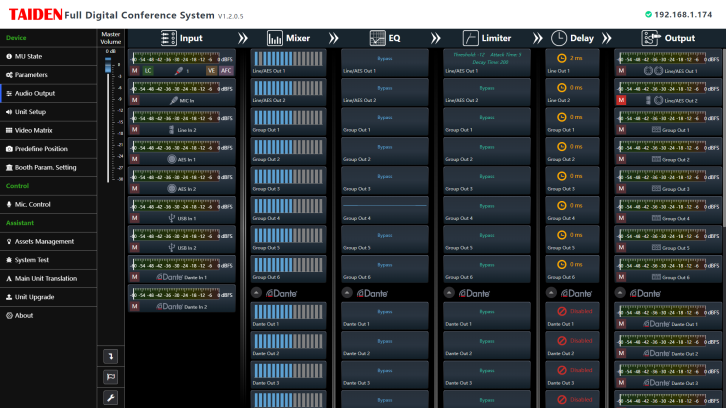
We now know the flaws: messy chains, noisy power, and untamed rooms. The forward step is a different shape of system. Think modular nodes near the seat, not racks in the hall. Think synchronized clocks at the edge, not jitter-prone trunks. In practice, new engines place DSP at endpoints while a central controller handles policy. This trims latency and stabilizes gain structure. Add adaptive beamforming that narrows during Q&A, then widens for panel talk. Pair that with smart AEC that learns the room’s noise floor at dawn and recalibrates after lunch—funny how that works, right?
Here’s a useful comparison. Old stacks chase problems after they appear. New stacks prevent them by design. When you choose digital paperless conference equipment, ask how it treats clock sync, path length, and power domains. Some systems run mixed clock trees; others unify PTP across endpoints. The latter tends to hold speech sibilants and consonants in place, even under load. Some rely on brute-force gain; better ones use gain sharing and per-seat DSP to even out voices. The net effect is simple: less strain, more trust. And trust leads to better questions, and better answers (that’s the point, after all).
So, how do you choose well? Use three metrics. First, end-to-end latency under real load: target below 20 ms glass-to-glass in-room. Second, clock stability across the network: watch PTP drift and packet loss, not just peak values. Third, power hygiene: measure noise on DC rails and verify isolation between AV and lighting. Score systems on these, and your rooms will sound like people, not machines. For a grounded reference in this space, see TAIDEN.