A Hidden Drag on Your Line
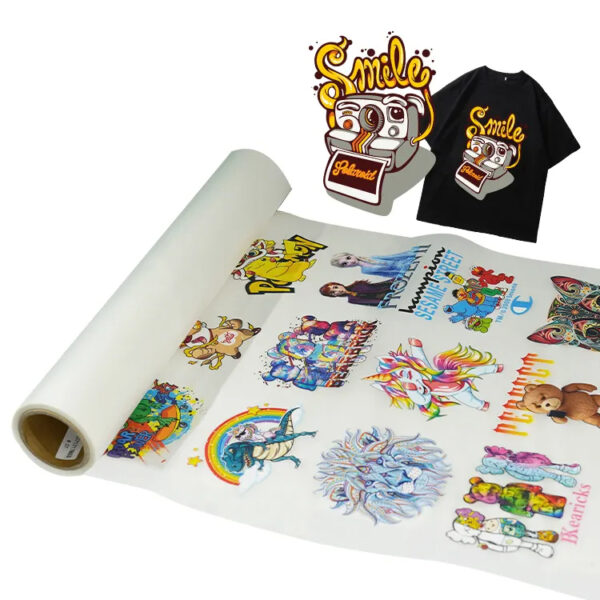
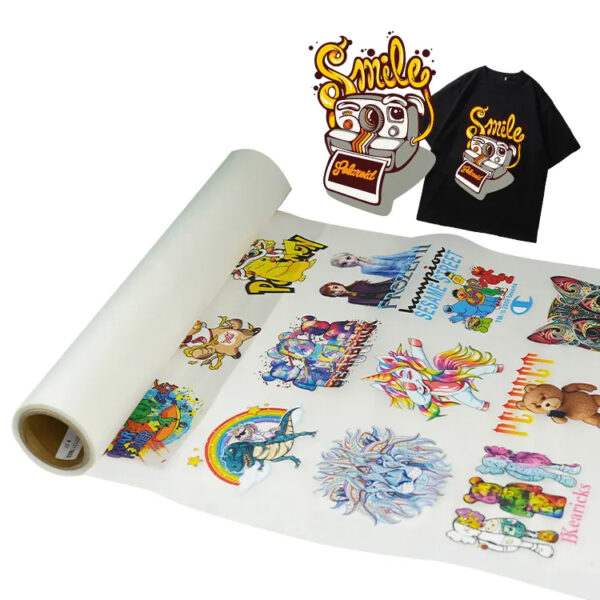
I’ve learned the real slowdown doesn’t show on the dashboard; it whispers at the garment’s edge, where a halo or a lift ruins the count. On a humid night run in the Queens warehouse, DTF Film demand spiked 40%, and 7% of transfers ghosted—what else was dragging those numbers down? I slid a reel of dtf pet transfer film across a steel table and felt the tell: the release liner wasn’t the enemy, the peel window was. I’ve spent over 15 years fighting this quiet friction in the B2B chain, and the pain points are rarely loud. Hot peel promises speed but punishes the unsteady hand; cold peel forgives, yet the clock slips while racks cool (and margins do too). In 2019, at a shop in Cebu, we cut rejects from 6.8% to 2.3% by moving to a finer TPU powder adhesive and trimming the white underbase by 8%—no fireworks, just cleaner edges and fewer returns. The fix wasn’t a bigger press or more heads; it was control of ink density, liner thickness, and the seconds between cure and peel. That’s the crux I keep seeing: traditional “go faster” thinking blinds teams to the micro-variables that decide whether your print holds or haunts. Keep this thread in your hands; it leads somewhere precise.
Comparative Signals in the Stack
What’s Next
Let me frame the stack in plain terms: gauge, cure temp, peel window, and powder weight—those four set your fate. When I compared two PET gauges last spring (75 microns vs. 100), the heavier liner gave steadier registration on fleece, but it demanded a hotter tunnel to seal the adhesive cleanly. Then it hit me—chasing raw speed was masking a brittle edge. On a 10,400-piece drop for a Midwest retailer in May 2023, I nudged cure from 125°C to 135°C and shortened dwell by 6 seconds; silvering fell by 60%, while total cycle time only rose 3.1%. No kidding. The catch is simple and sharp: hot peel wins on throughput when your peel window is repeatable; cold peel wins on consistency when operators rotate or humidity spikes. If you’re buying dtf pet transfer film by the pallet, stop treating it like a commodity roll and start treating it like timing gear.

Here’s how I weigh it forward—comparative, not theoretical. Hot peel films with a tighter release coating are pure speed on cotton blends, but demand strict control of white underbase and a verified peel at 3–5 seconds post-press. Cold peel variants buffer your team against rush-hour mistakes, especially with heavy TPU powder on textured poly; they also hide small curing swings that would lift corners on lighter coats. Wait—no test strip? That’s where costs creep. I run a three-strip protocol at the start of each lot: two density steps on the white layer and one powder adjustment by ±5 g/m², logged with the lot number and room RH. When we switched an outlet in Newark to this protocol, returns tied to edge lift dropped by 41% in two weeks, while output stayed flat. We didn’t add gear; we added a meter and a timer. To keep this practical and buyer-ready, my short list for selection is lean: 1) peel window tolerance across 10% RH swings; 2) adhesive melt profile that seals at your actual tunnel curve, not the spec sheet fairy tale; 3) liner gauge stability that holds registration on stretch fabrics without ghosting. Get those three right, and both clarity and pace stop fighting. For steady sourcing and documentation without noise—Xinflying.