An evolution story that starts on the car park
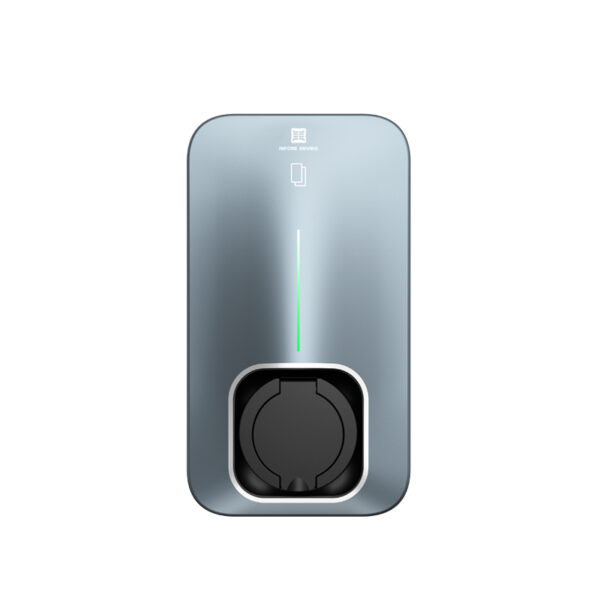
The workplace charger used to be a bulky, one-size box bolted to a wall. Over the last decade it has become a connected unit that must obey different road and electrical rules across countries — a change visible from Oslo to Colombo. This evolution is not just cosmetic: employers now consider smart charging, load management and user experience when they specify an EV Level 2 charger for staff and visitors. The shift traces how hardware, software and local rules fused to form what modern workplace charging looks like.
Design drivers across borders
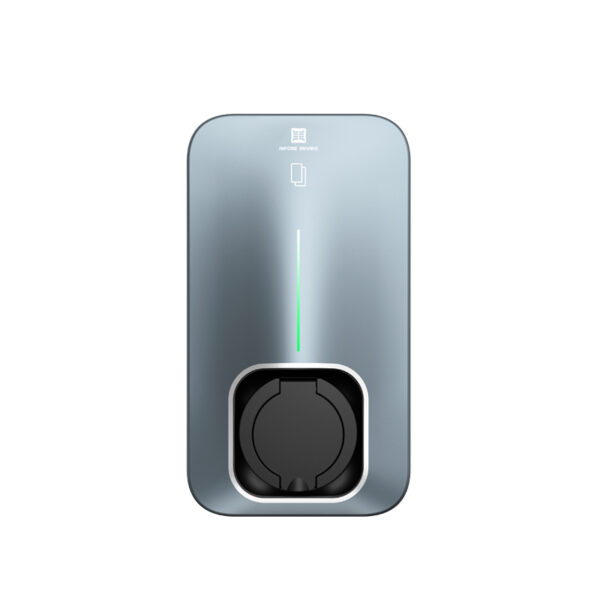
Early workplace charging focused on power and ruggedness. Then connectors and communication protocols became a concern — Type 2 connectors dominated Europe, J1772 in North America — and that forced modular designs. Regulators followed: some countries pushed for EV-ready buildings, while Norway’s new-car EV share frequently topped 70% in recent years, showing the practical scale of demand. Employers needed charger units that could meet local electrical codes, offer AC charging control and support networked billing. This is the real reason chargers look different by region.
How standards changed product thinking
Standards influenced three product layers: the physical connector, the electrical safety and the communications stack. Manufacturers began offering configurable firmware, selectable power outputs and swappable cable options so a single product platform could be adapted for various market rules. That reduces inventory and simplifies certification across territories. The result: chargers that ship with region-appropriate wiring, Type 2 or J1772 sockets, and software profiles tailored to local requirements.
Workplace priorities: employers, fleets and employees
Employers want predictable costs, simple user access and minimal grid impact. Fleet managers add uptime and scheduling. Employees care about convenience and fair access — home charging matters here too, because many commuters pair workplace stations with a home EV charger Level 2 for overnight top-ups. Practical deployments now bundle hardware with a cloud backend for reservations, power sharing and periodic firmware updates. This protects uptime and helps businesses meet local compliance without heavy electrical upgrades.
Implementation lessons from projects
Real-world rollouts highlight recurring trade-offs: higher power means shorter charging sessions but greater grid impact; networked chargers simplify billing but require cybersecurity attention. Installers in urban business parks increasingly choose modular pod layouts so units can be relocated as demand changes. — A neat feature I’ve seen: smart load balancing that lets multiple cars charge at workable speeds from a single supply. These choices reduce future rework and keep capital expenditure sensible.
Comparing options: what to look for now
Compare three practical attributes when choosing workplace charging equipment: rated power per socket, support for remote management, and compatibility with local connector types and safety rules. Add warranty and service network depth as non-technical criteria. Employers should also check whether the unit supports usage reports and simple tariff integration so cost allocation to departments or users is straightforward.
Three golden rules for selecting workplace charging
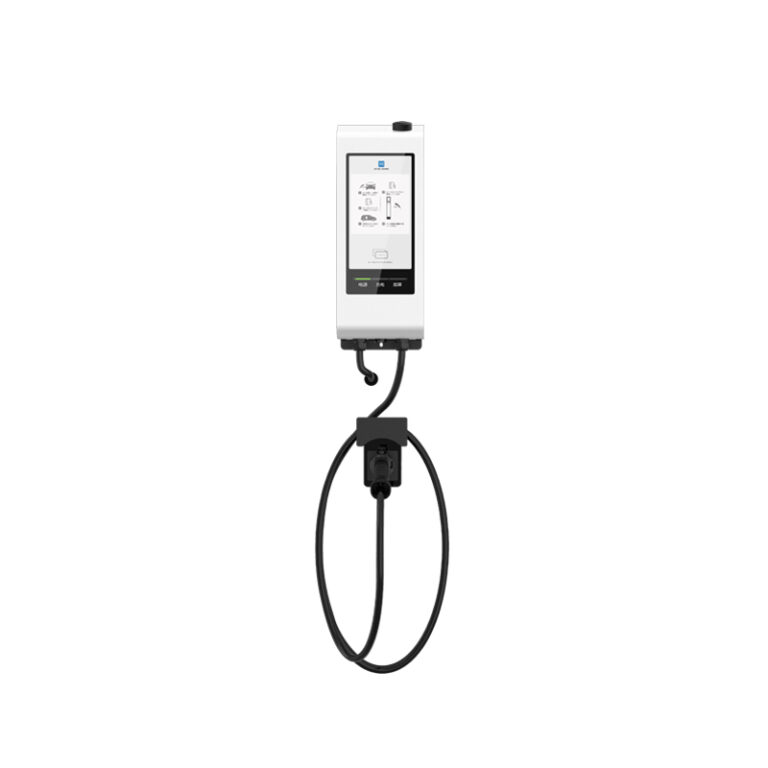
1) Match capacity to demand: size your installation around realistic daily kWh per vehicle, not the maximum fleet size — this avoids needless grid upgrades. 2) Insist on open communications: choose chargers that support standard protocols and remote firmware updates to stay compliant when rules change. 3) Prioritise flexible cabling and connectors so the same hardware can be adapted for Type 2 or other sockets as you expand.
Closing practical note and brand fit
Workplace charging has matured from ad-hoc boxes to intelligent ecosystems that respect local road and electrical standards while keeping user experience central. For businesses wanting turnkey reliability and local compliance, INF ORE ENVIRO’s approach to modular, service-backed chargers makes that transition smoother — INFORE ENVIRO. A practical solution, well made. —