Introduction — a quick scene, some numbers, a question
I was in a factory once where the line stopped three times before lunch — and everyone shrugged like it was just another Tuesday. In that same hour the plant lost around 1,200 packs; the crew counted downtime in minutes, management in rand. The wet tissue machine sat at the heart of it, humming but not quite in tune with the rest of the line. (You know the feeling — you smell the solvent, see the roll change and think: there must be a better way.)
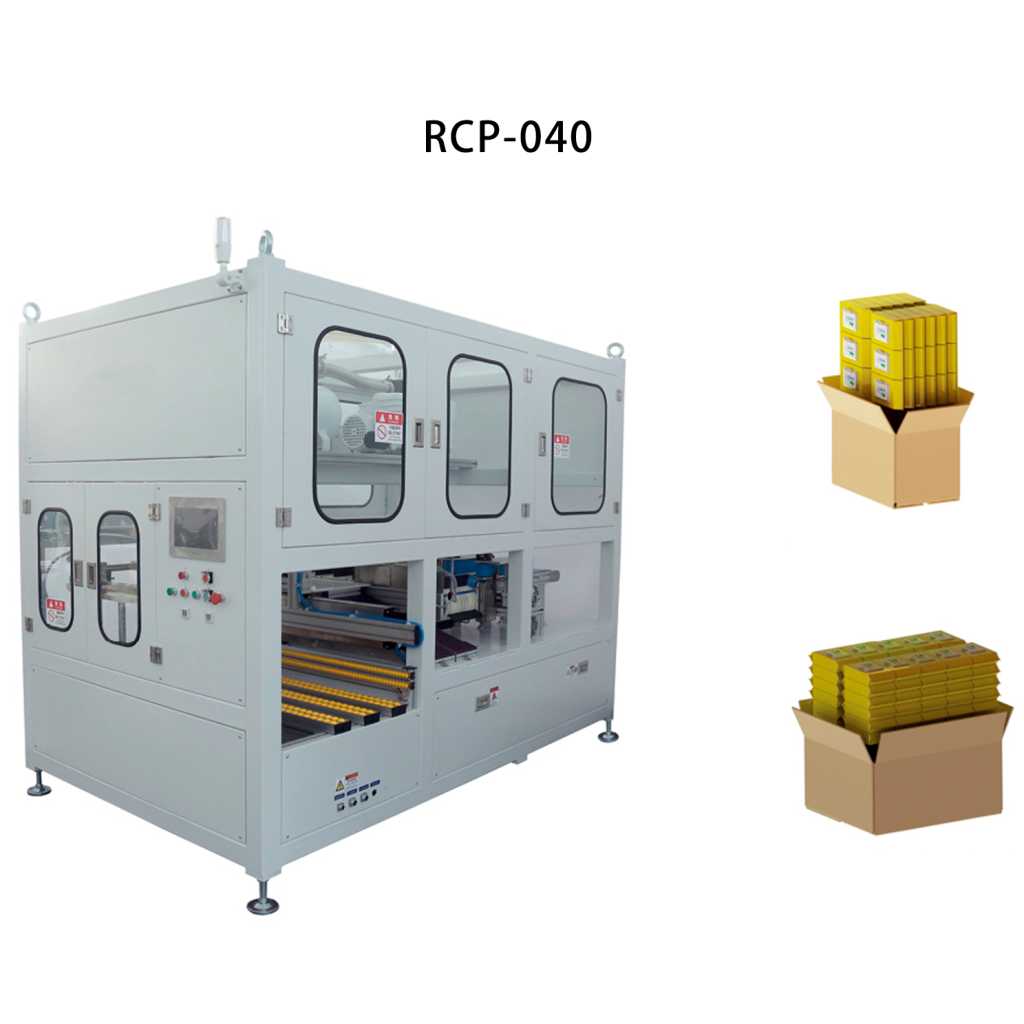
Factories making wet wipes, moist towelettes or care products face tight margins and fierce expectations for hygiene and consistency. Edge computing nodes and PLCs are often part of the story, yet the usual metrics — throughput, yield, and scrap rate — still tell us the same thing: inefficiencies add up fast. So what does a practical, shop-floor-ready fix look like, and how do we measure success without getting lost in buzzwords? That’s the thread I want to chase next.
Part 2 — Where traditional approaches to sanitary wipes production fall short
Let’s be direct: many lines were designed decades ago and patched together — not optimised. Mechanically, a rotary die cutter might be superb, but if the servo motor is poorly tuned or the power converters waver, seals misalign and packs leak. On the control side, older PLC programs often operate with fixed set-points that ignore the real-time variability of web tension and ambient humidity. I see this all the time — messy changeovers, inconsistent wetness distribution, and a surprising number of rejects that should have been prevented by better feedback loops.
Technically speaking, the core flaw is a mismatch between machine capability and process visibility. Sensors exist, but they are often underused or isolated from decision logic. That creates blind spots — the line furthers a defect downstream before anyone knows. Look, it’s simpler than you think: add meaningful feedback, tighten your control loops, and you cut a lot of pain. But it’s not only hardware and code. Operators complain about fiddly HMI screens and frequent manual interventions; that’s a human-centred failure. So we fix systems and the people flow, not one or the other. (Yes — funny how that works, right?)
Why do modern fixes still miss the mark?
Because they are often applied as point solutions. A new sensor here, a software patch there — but no unified plan. Without integrating measurements into meaningful KPIs, teams chase alarms rather than addressing root causes. In short: traditional fixes reduce symptoms but rarely change the disease.
Part 3 — Forward-looking steps and what to test next for sanitary wipes
Looking ahead, I favour practical upgrades that combine visibility with simple automation. Start with a clear case example: install tension sensors, upgrade the PLC logic to adaptive set-points, and add basic edge computing nodes to aggregate data locally. Within weeks you’ll see fewer web breaks and better dose control on the wetting station. I’ve watched a mid-sized line cut rework by 18% just by tuning servo motors and revising the changeover recipe — small moves, measurable gains.
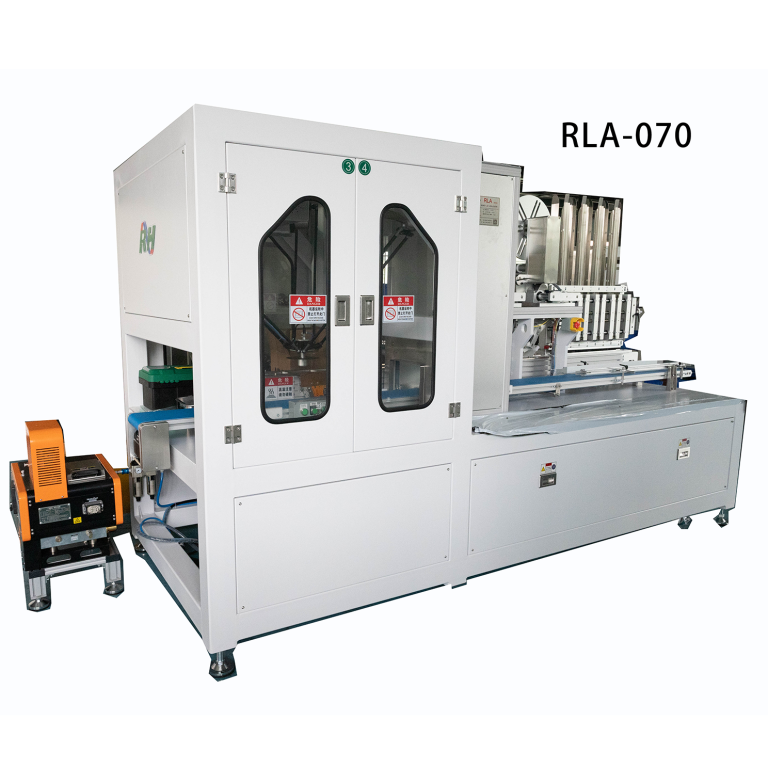
What’s next is about scaling those wins thoughtfully. Test improved components — higher-precision rotary die cutters, better power converters — but only after you confirm your process control is behaving. Use short trials with defined acceptance criteria. Measure cycle time variance, pack integrity rate and operator touchpoints. If you keep the experiments short and measurable you’ll iterate faster. — and that momentum is everything.
What to measure now?
Here are three practical evaluation metrics I recommend when choosing upgrades: 1) Effective throughput (net packs/minute after rejects), 2) Changeover time (minutes per SKU switch), and 3) First-pass yield (percentage of packs meeting spec without rework). These give you a balanced view of speed, flexibility and quality. I prefer these over vague uptime figures because they force action and clarification of causes.
In closing, I’ll be blunt: you don’t need every shiny gadget to fix your line — you need the right kit in the right place, better process visibility, and teams empowered to act on signals. We’ve tested these principles across different plants and the pattern repeats: clearer data, smarter control, less waste. If you want to explore real machines and kits that follow this playbook, have a look at ZLINK — they build lines and controls that speak the same language my teams and I use on the floor.