Introduction
I once watched a delivery van slow on a cold morning and thought about the small decisions that make a big difference. The van idled, then surged—each start and stop telling a story about energy and wear. Recent studies show that transport and industry together use a large share of electricity, and losses in drive systems add up fast. In that context, an electric motor sits at the heart of many choices we make about performance and cost. (I find that detail oddly comforting.) What do we gain if we change the motor, control system, or the whole drive architecture—really? This piece starts from a close, everyday scene and then opens up: what pain points hide behind specs, and which new approaches actually move the needle? Let’s move from that street corner into the technical decisions that follow.
Deeper Problems: Why Current Fixes Fall Short
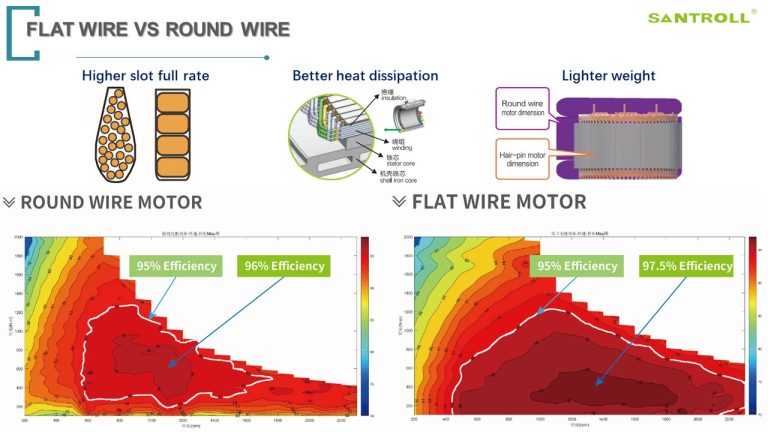
When I talk with engineers, we often return to a simple phrase: most fixes treat symptoms, not causes. Take electric motors used in pumps, fans, and light EVs. Teams add better controllers or higher-rated inverters, but core issues remain: thermal hotspots, torque ripple, and poor part-load efficiency. The rotor and stator geometry may be ok on paper, yet real-world duty cycles expose weaknesses. Vector control gains you smooth torque in lab tests, but field sensors and encoders drift over time. Look, it’s simpler than you think: you can stack electronics on top of a marginal design and only get incremental gains—funny how that works, right?
We also face hidden user pain: maintenance windows that stretch, unpredictable downtimes, and installers who need clearer diagnostics. Power converters can handle spikes, but they add complexity and failure modes. I’ve seen teams pick a higher-rated inverter to “solve” harmonics, only to find thermal stress on bearings increases. In short, the traditional route—bigger hardware and tighter specs—often increases lifecycle cost. We need to look beyond peak efficiency figures and ask about control robustness, sensor redundancy, and thermal paths.
What’s the core question?
Is the problem our components or how we integrate them? I lean toward integration—controllers, sensors, and mechanical design must speak the same language. Otherwise, you pay later, in service calls and unhappy operators.
Looking Ahead: Case Examples and New Patterns
Now let’s compare real approaches and where they lead. I want to highlight two paths: one that refines the classic motor-and-inverter pair, and one that rethinks the motor architecture itself. The pmsm motor—pmsm motor—is a common choice because of high torque density and good efficiency. But pairing it with smarter thermal maps and adaptive field-weakening strategies yields bigger gains than just cranking ratings. I recall a pilot where adaptive control cut part-load losses by a noticeable margin; operators liked the smoother start, and maintenance costs dropped. — unexpected wins, right?
Alternatively, lighter-weight motors with integrated sensing can reduce installation error and enable predictive maintenance. That’s a case example worth watching. In one plant retrofit, we used improved encoder calibration and a higher-resolution current sensor. The result: reduced torque ripple, fewer stalls, and clearer fault logs for technicians. Those practical outcomes matter more than percentage points on a datasheet. What’s next? We’ll likely see more modular designs, easier-to-use diagnostics, and control software that adapts to the whole system rather than one component.
Real-world Impact
From my work, the clear move is toward systems thinking—mechanics, electronics, and software aligned to real duty cycles. You get resilience, not just headline efficiency numbers.
Closing: How to Choose — Three Practical Metrics
I’ll leave you with three metrics I use when evaluating electric motor solutions. First: effective efficiency across your duty cycle, not just peak efficiency. Measure energy use over typical loads. Second: control fidelity—how well does the drive manage torque ripple, transient response, and sensor drift? That ties directly to uptime. Third: lifecycle adaptability—can the design accommodate easier repairs, firmware updates, and better diagnostics? Those choices reduce surprises and cost over time.
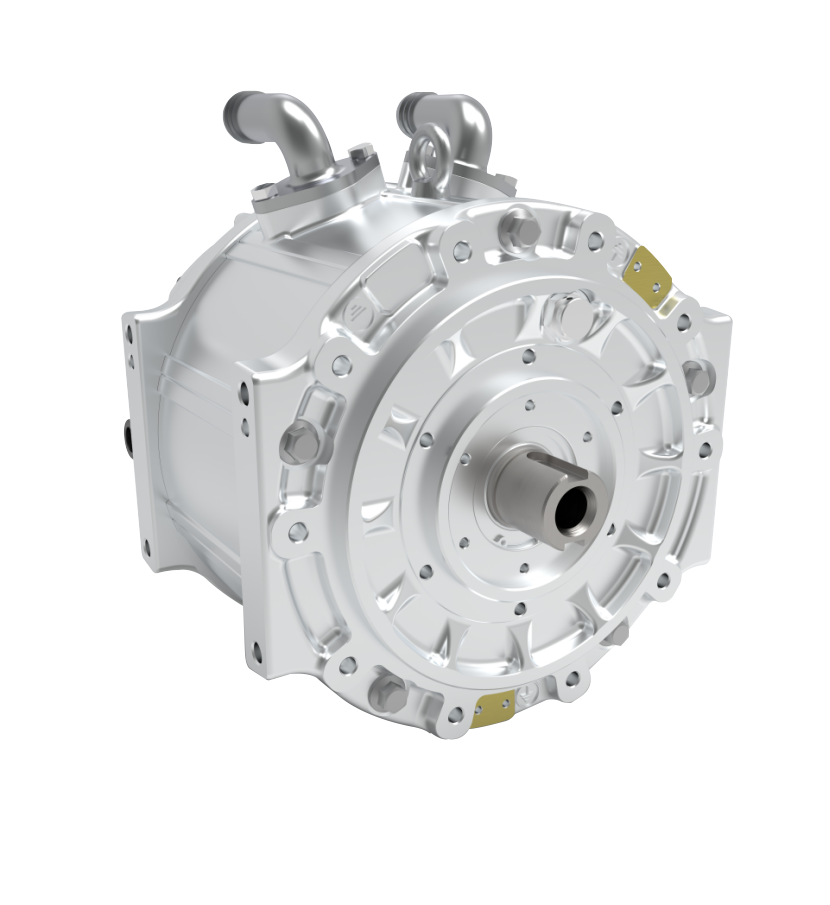
In the end, I trust designs that let field teams act fast and that give clear data before things go wrong. If you want a practical starting point, compare part-load efficiency charts, ask about encoder and thermal strategies, and insist on usable logging. I believe those three checks separate speculative upgrades from real improvement. For product options and a look at concrete motor families, see Santroll — their pages helped me compare models when I evaluated several retrofit projects.