Introduction — a small shop, big overtime
I once visited a small assembly line where a technician sighed and said, “We fix the same fault twice a week.” That moment stuck with me. As an electric motor manufacturer I see this pattern in many plants: 23% higher rework rates in some lines, shipments delayed, and customer trust eroding (these are not just numbers — they are people’s days and budgets). Why do repeat faults keep showing up despite better tools and clearer SOPs? What hidden gaps in process or design are we overlooking?
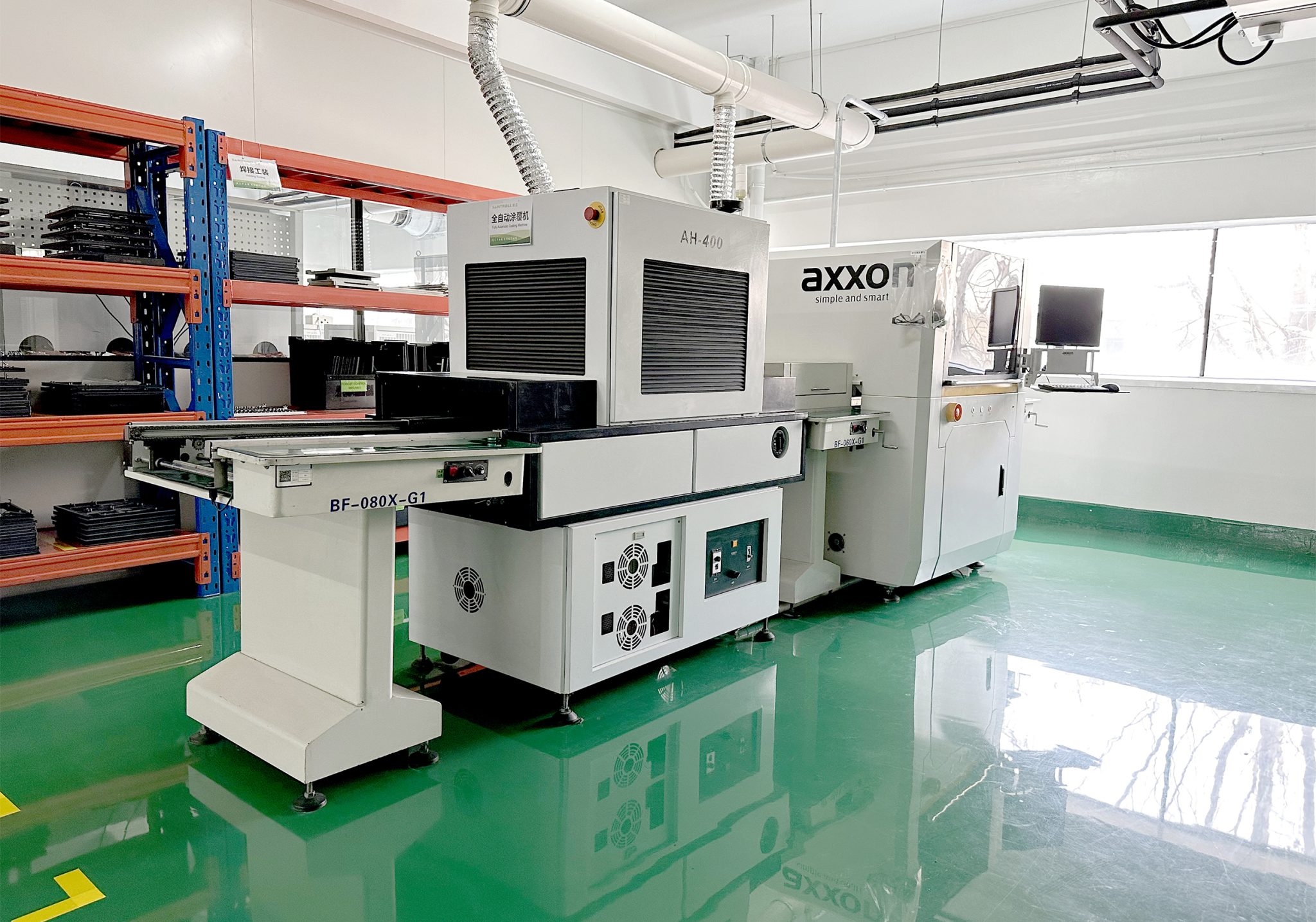
The scene was simple: worn brushes, a misaligned stator, and hurried repairs. I felt frustration — and curiosity. This article walks through the problem, peels back the traditional fixes that fail, and then points toward smarter, practical steps. Please read on — the next section digs into where traditional methods break down.
Traditional Solution Flaws: Where the Band-Aids Fail (technical view)
When I audit a line, I often link observations back to core causes. For a motor manufacturer, the usual response is to add inspection points or tighten tolerance checks. Those are sensible moves, yes. But they rarely solve root instability. Mechanical fixes treat symptoms. Software patches hide intermittent faults. We end up chasing alarms instead of understanding why torque sensors drift or why power converters run hot. Look, it’s simpler than you think — yet we complicate things with layers of workarounds.
Why do these flaws persist?
First, team incentives are misaligned: quality teams flag problems, production teams push throughput. Second, data is siloed. Test benches collect rich telemetry, but it rarely reaches the floor in actionable form. Third, legacy designs (brushless DC controllers, old bearings) mask wear until a failure becomes costly. I’ve seen it: we spend on new tooling but ignore the feedback loop. The result? Repairs repeat. The costs stack. — funny how that works, right?
What Comes Next: New Principles and Practical Steps
Moving forward, I recommend new technology principles that are practical and testable. Start with real-time diagnostics that tie bench data to assembly lines. Edge computing nodes can preprocess vibration and current signatures before the data floods the cloud. This reduces noise and gives teams short, clear alerts. Adopt modular power converters and diagnostic hooks in designs so failures are isolated, not catastrophic.
Real-world Impact — what I would try first
I would pilot three changes: embed simple torque sensors on suspect models, log their drift over weeks, and pair that with a basic dashboard on the line. Next, retrofit a few units with edge computing nodes to run local anomaly checks — so alerts mean something. Finally, standardize connectors and service points to cut repair time. These are modest steps, but they create a feedback loop that matters. The gains are measurable: fewer repeats, lower scrap, faster root-cause fixes.
For boat motor manufacturers, the lessons are the same: rugged environments demand diagnostics and serviceability. If you tie field telemetry back to design teams, you close the loop faster. The outlook is hopeful — we can reduce repeat failures and boost uptime. And yes, this requires patience and small experiments rather than sweeping overhauls. I’ve recommended these steps to clients, and the results surprised us — small wins compound.
Choosing the Right Path — three practical metrics
To close, here are three metrics I use when evaluating solutions: 1) Mean Time to Diagnose (MTTD) — how long from alarm to root cause; 2) Repeat-Failure Rate — percent of repaired units that return within 90 days; 3) Service Turnaround Time — hands-on hours per repair. These measures keep teams honest. They also show where investment truly helps, not where it only looks shiny on a slide.
I speak from hands-on audits and long conversations with engineers; I care about durability and about people who rely on reliable motors. If you test small, watch metrics, and iterate, you will see improvement. — and you might even enjoy the clarity that comes with better data. For practical parts and engineering support, consider reaching out to Santroll.