Introduction: Scene, Numbers, and the Question
Have you ever watched a job queue stall while a competitor ships a batch ahead of you? Recent shop-floor studies show some firms cut cycle time by nearly 35% simply by switching workflows and machine choice. In that mix, vertical machining center manufacturers face pressure not just to sell machines but to solve real production bottlenecks. I’ll set a short scene: a mid-sized shop needs five complex parts, tolerance ±0.02 mm, and two weeks to deliver (sounds familiar). The data are clear: lead times, spindle downtime, and tool-change delays are the top three pain points. So which change gives the best return—retooling a cell, adding a 5-axis capability, or optimizing the CNC controller and fixtures? Let’s walk through a comparative view that helps you decide the next practical move.
Where Traditional Solutions Break Down
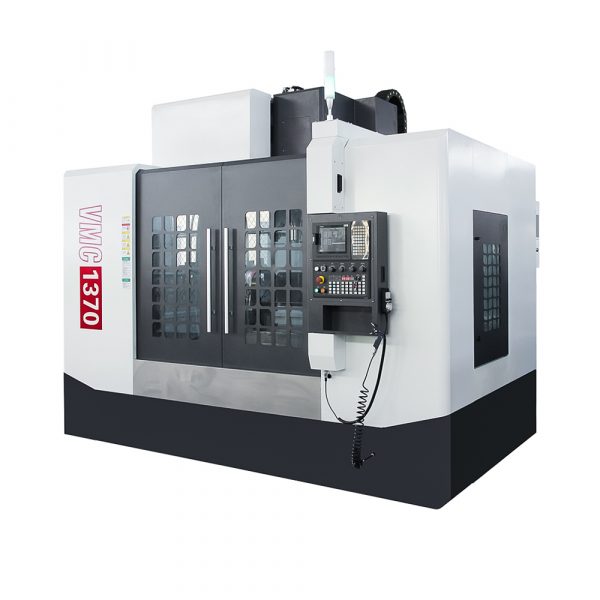
When I look at a workshop’s stack of problems, I often start with the machines themselves. A common fix—buying a newer model from a 5 axis vertical machining center factory—sounds decisive. Yet many shops find the expected gains underdeliver. Why? Traditional approaches assume rigidity equals precision, or that faster spindle speed alone solves throughput. In reality, issues hide deeper: inadequate CNC controller tuning, poorly matched servo motors, and suboptimal tool changer cycles combine to slow overall takt time. Tool change is not just time lost between cuts; it’s a rhythm breaker that raises scrap rates when setups are rushed. I’ve seen shops replace an entire machine line and still battle chatter because linear guideways weren’t aligned to the new workholding. Look, it’s simpler than you think—fixing integration and control often yields bigger gains than raw horsepower.
Why do traditional setups fail?
Technically speaking, classic solutions focus on single metrics—spindle speed or table travel—while ignoring system behavior. Thermal drift, backlash, and feedback loop lag in the CNC controller create cumulative error. Add inconsistent coolant flow and you get dimensional shifts mid-run. The flawed assumption: machines operate in isolation. In fact, spindle dynamics, feed rate strategy, fixture repeatability, and operator skill interact. I’ve recommended small, targeted changes—a better PID tune, a faster tool changer, or upgraded coolant delivery—that cut rework by half. Those are not glamorous upgrades, but they work. — funny how that works, right?
Next Moves: Principles for Modern VMC Lines
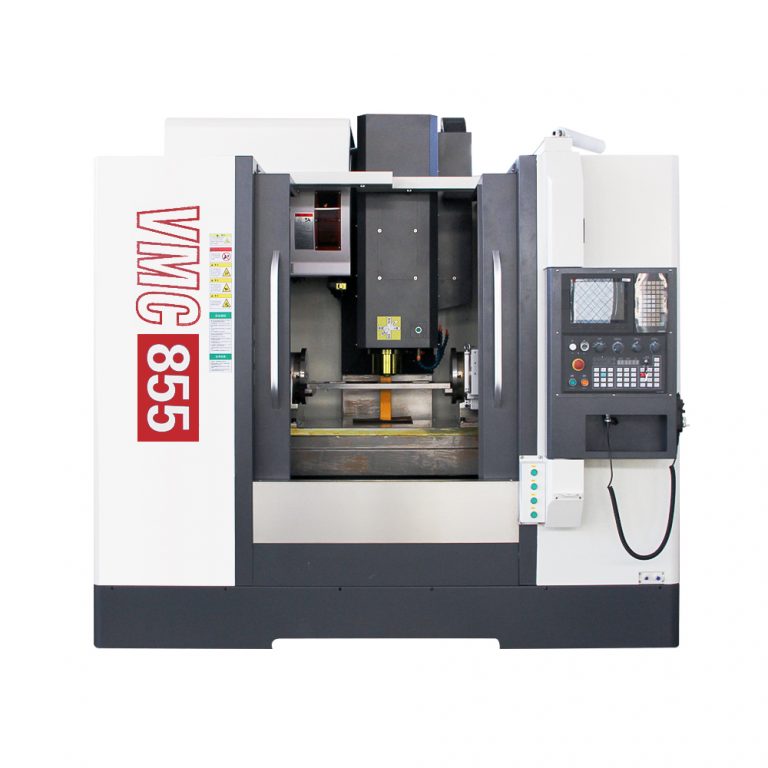
Looking forward, I favor principle-based change over one-off buys. Start by mapping the process: where do parts wait, where do tools idle, and where does scrap spike? Then test a tech principle—closed-loop feedback on the spindle or adaptive feed-rate control—and measure impact. Introducing a 3 axis vertical machining center for a dedicated family of parts can be smarter than adding a blanket 5-axis cell. The point is to match machine capability to part complexity and batch size. When you pair the right axis configuration with tuned CNC controller logic, you lower cycle time and reduce operator intervention. I speak from hands-on experience: a shop that implemented adaptive feed control saw mean cycle times drop by 20% and tool life rise, because the system reacted to cut conditions in real time.
What’s Next
Adopting new technology principles means small experiments. Try a pilot line with upgraded motion control, improved coolant routing, and a modern tool management strategy. Measure spindle load, tool wear, and in-process part accuracy. Compare results to a baseline run. You’ll learn quickly which investments scale and which don’t. — and yes, that matters. In short, focus on system-level gains: synchronization of tool changer timing, consistent spindle torque delivery, and reliable fixtures. Those are the wins that compound.
Practical Takeaways and Metrics to Guide Your Choice
I’ll leave you with three evaluation metrics I use when advising shops—simple, measurable, and actionable. First, effective cycle yield: parts completed per hour under production conditions (not idealized runs). Second, mean time between operator interventions: fewer interruptions mean systems are stable. Third, net tool utilization: how much of a tool’s life is spent cutting vs idle or wasted during changes. Use these metrics to compare options—does a new 5-axis cell improve yield enough to justify the capital? Does tuning the CNC controller raise effective cycle yield at a fraction of the cost? I prefer a pragmatic, measured path. I’ve seen both small fixes and big buys succeed when chosen against clear metrics.
We’re not selling a miracle. We’re choosing trade-offs with evidence and a bit of shop-floor intuition. For equipment and parts, try to work with partners who understand both machines and processes—like Leichman.