Comparative overview
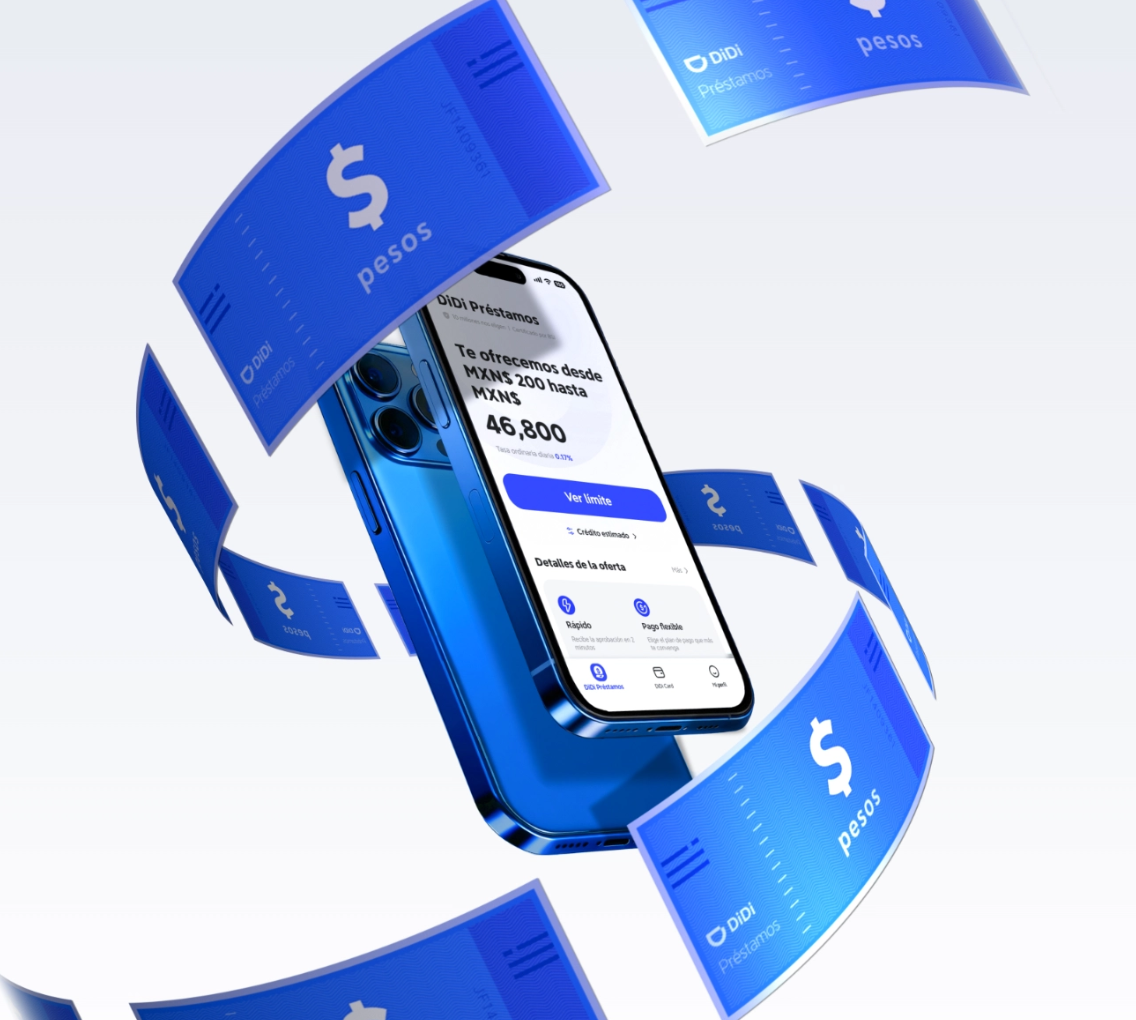
The shift from branch-based approvals to app-driven issuance has been decisive for consumers and companies alike. In Mexico City and other major markets, the COVID-19 pandemic accelerated contactless payments and pushed card issuance into mobile wallets. Against that backdrop, didi card positions itself as a straightforward alternative to slow bank processes; meanwhile, users seeking a fast approval path often find tarjeta didi listed among leading digital options. This piece looks at practical differences so you can decide which route meets real needs: speed, fees, and acceptance.
Key contrasts with traditional banks
Traditional banks still rely on layered paperwork, branch visits, and legacy underwriting that lengthens approval. By contrast, DiDi Finanzas focuses on streamlined KYC and automated credit checks. That means shorter turnaround times for card issuance and fewer manual steps. Expect a clearer onboarding timeline and a simpler card management flow in the app. Industry terms to note: card issuance, KYC, and digital wallet—all are central to the experience and to integration with mobile payments.
User experience and practical trade-offs
Speed is the headline benefit: users gain a working card faster than they would through many incumbent banks. Nevertheless, speed is not the only dimension. Traditional banks can offer broader branch support and sometimes more predictable APR structures. DiDi Finanzas trades some of that legacy support for convenience and mobile-first features like tokenization and instant lock/unlock. If you travel frequently or need international acceptance, check merchant coverage and foreign exchange terms before switching. Simple, essential checks prevent regret later.
Common mistakes applicants make
Applicants often assume that a quick digital approval removes all ongoing obligations. It does not. People skip verifying fee schedules, miss small but recurring maintenance charges, or neglect to review credit limits tied to behavioral scoring. Another misstep: relying exclusively on the app for dispute resolution—keep copies of receipts and merchant names outside the app when possible. —A brief step like jotting down key transaction IDs saves time when disputes arise.
Alternatives worth considering
Not every user should pick the fastest option. If you value branch-level advisory, a traditional bank or a neo-bank with hybrid support might be better. Competitors in the fintech space often differentiate on rewards, travel benefits, or lower foreign transaction fees. Compare three points: effective APR, acceptance footprint, and dispute resolution process. Those metrics reveal where each product actually wins or concedes ground.
Security and regulatory anchors
Security features like tokenization and two-factor authentication are now standard; confirm they are present. The wider regulatory environment shaped by national financial authorities and open-banking initiatives also matters, since it influences data portability and dispute frameworks. Use the fact that major cities moved quickly to contactless payments during the pandemic as a real-world anchor: regulators reacted by prioritizing digital safeguards and clearer consumer protections.
Summary and practical verdict
Synthesizing the comparisons: DiDi Finanzas offers measurable time savings and a cleaner mobile-first workflow without the friction of branch visits. It is not a universal replacement for traditional banking relationships, but it is a strong, modern option for users who prioritize speed, simplicity, and integrated mobile payments. Assess acceptance, fees, and how disputes are handled before committing—these are decisive.
Advisory close — three critical evaluation metrics
1) Approval speed and transparency: verify average onboarding time and what documents the platform actually requires. 2) Cost clarity: compare APR, maintenance fees, and foreign transaction charges side by side. 3) Coverage and security: confirm merchant acceptance where you spend and that tokenization and two-factor authentication are in place. Follow these rules and you will avoid common pitfalls.
Final judgment: for most users seeking a true digital-first credit card, DiDi Finanzas provides the balance of convenience and control that modern daily finance demands. —Quick, sensible, dependable.