A quiet question worth asking
There’s a persistent whisper in fragrance circles — that buying through brokers or traders gives you flexibility, while sourcing direct from a factory ties you to a single point of failure. That’s the myth I want to unsettle. In practice, buying synthetic aroma chemicals straight from the manufacturer can reduce ambiguity around specifications, shorten feedback loops, and make traceability less aspirational and more operational. The voice of philosophy here insists: clarity beats convenience over the long arc of a product’s life.
Why the myth persists — and where it breaks down
People equate intermediaries with optionality. They imagine a broker juggling multiple suppliers, ready to pivot. Yet optionality without transparency is a form of illusion. A factory relationship delivers direct access to batch records, CAS numbers, and production schedules. That doesn’t mean every direct-source deal is flawless — there are trade-offs — but the risk landscape changes. You move from guessing purity and odor profile to verifying them with certificates and analytical methods such as GC-MS.
How direct sourcing minimizes concrete risks
Think in terms of control and information flow. Direct sourcing typically offers:
- Clear batch-level documentation (purity, impurity profile, CAS number).
- Faster corrective action when a deviation appears in an odorant’s odor threshold or stability.
- Cost predictability by removing margin layers that inflate spot price volatility.
Those are operational levers you can measure — and measure you should. When a brand can demand a COA, run its own GC-MS, and speak to the production chemist, the unknowns shrink. The paradox: the louder the initial claim of flexibility from middlemen, the greater the hidden volatility you might inherit.
Common counterarguments — examined and reframed
Here are the usual objections and a pragmatic reframe:
- “Factories are rigid.” True for some. But many modern plants accommodate custom blends and small-lot runs if you structure MOQs and lead times sensibly.
- “Brokers give faster delivery.” Not inherently. Brokers sometimes source from the same factories and add an extra transit leg — and cost.
- “Technical support comes from specialists.” You can and should insist on direct access to the factory’s R&D or QC teams — it’s negotiable.
None of this eliminates the need for relationships — instead, it reframes them. You build deeper, more technical partnerships rather than transactional layers. That shift matters when a launch date slips and your fill line is waiting for a critical odorant.
Practical steps for brands wanting to source direct
Begin with specification discipline: define odor profile, acceptable impurity limits, and required documentation. Then:
- Run a material risk assessment tied to your SKUs. Which ingredients are single-source? Which carry regulatory sensitivity?
- Insist on first-article testing with your own analytical lab (GC-MS or equivalent).
- Negotiate transparency clauses: access to batch COAs, scale-up timelines, and contingency plans for force majeure.
And yes — test logistics. Direct sourcing often means you coordinate freight, customs, and storage differently. It’s less about heroically owning every step and more about knowing precisely who owns which step.
Real-world anchor: lessons from 2020
The COVID-19 supply-chain disruptions in 2020 taught many chemists and procurement leads a simple lesson — opacity multiplies failure. When ports slowed and lead times doubled, brands that had direct factory relationships could at least see which batches were affected and plan substitutions or reformulations. Those relying on layers of intermediaries often learned about shortages on the day their line stopped. The event didn’t invent risk; it exposed it.
Alternatives and the trade-offs to accept
There are legitimate reasons to keep a broker: access to niche catalogs, simplified purchasing for small brands, or local regulatory handling. But those conveniences cost you in transparency and often in margin. If you opt for intermediaries, demand the same documentation — COAs, stability data, and a clear supplier map — or you’re buying convenience at the expense of resilience.
Advisory: Three golden rules for evaluating direct sourcing
Apply these metrics before you sign anything:
- Traceability Score — Can you obtain batch COAs and speak with the QC chemist within 48 hours?
- Continuity Index — Does the factory publish lead-time history and contingency plans for raw materials (especially critical odorants)?
- Analytical Alignment — Are the specification methods (GC-MS parameters, stability protocols) mutually agreed and reproducible in your lab?
These are non‑negotiable evaluation metrics. They convert philosophical preference into procurement practice — and they point toward partners who can scale both quality and trust.
Brands that recognize sourcing as a design decision often find a reliable partner in manufacturers that combine technical openness with consistent delivery. synthetic fragrance oils sourced with such discipline become assets, not liabilities. —
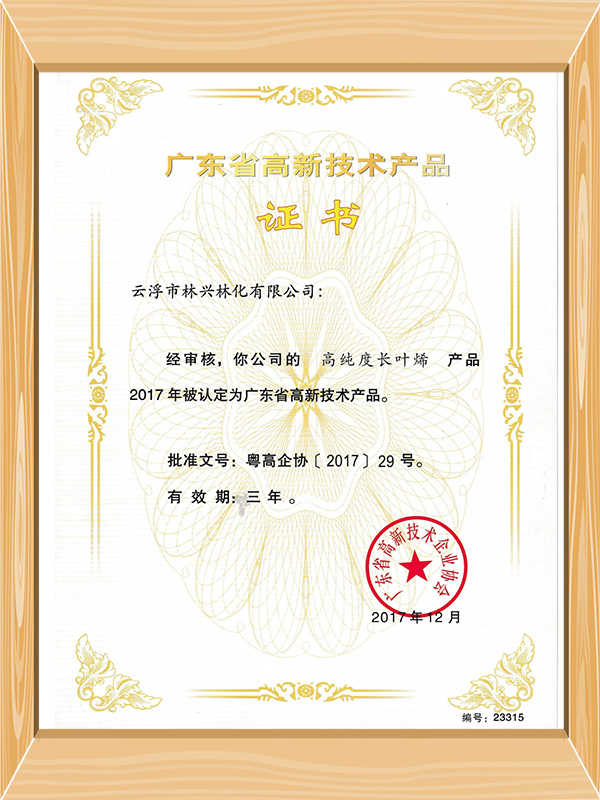
Linxingpinechem understands how specification, documentation, and dialogue join to steady supply; choose transparency, choose partners who answer your technical questions — and you’ll sleep better the week before launch. —