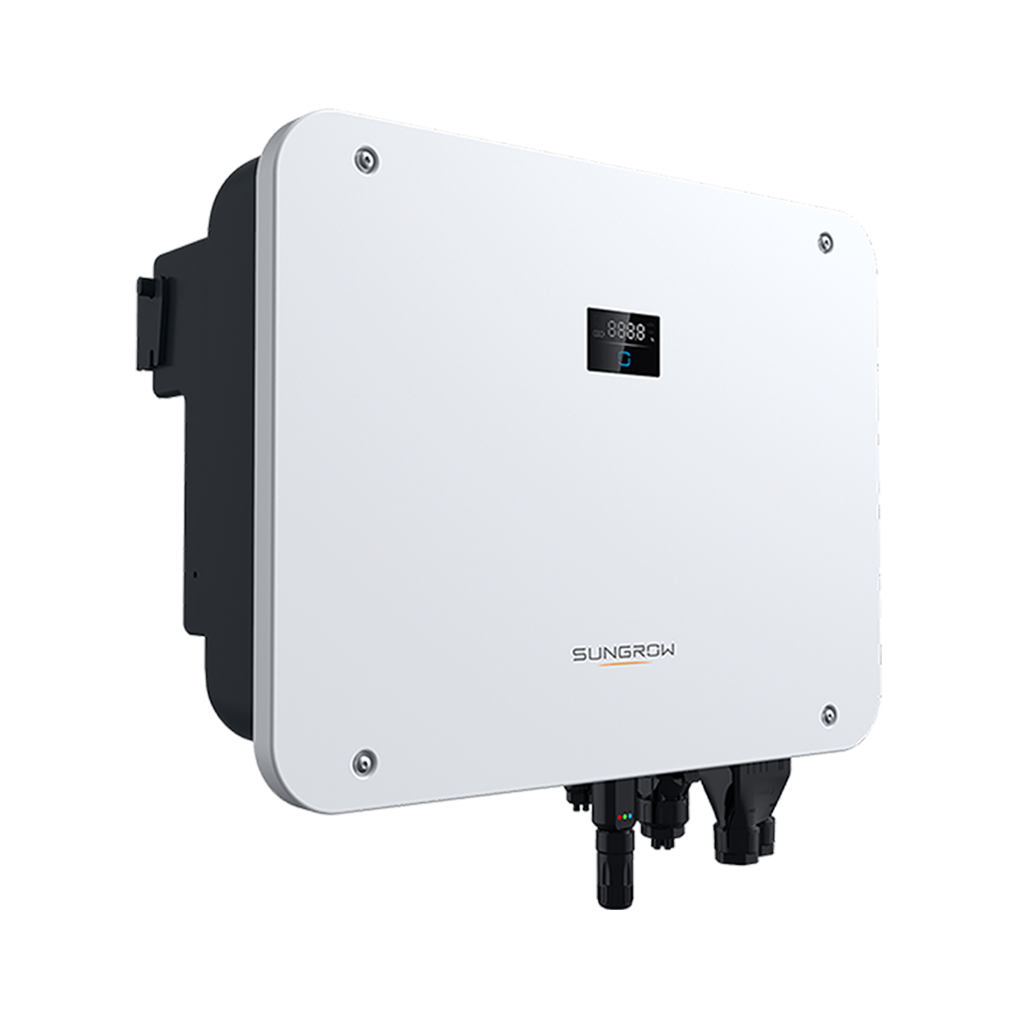
Spotting the real problems behind the panels
I remember a hot afternoon in Chiang Mai when a client called me frantic — their roof array barely kept the fridge running (no kidding). A family-scale roof install produced 40% less energy over three weeks after nearby construction dust settled — how would your home solar energy system handle that drop?
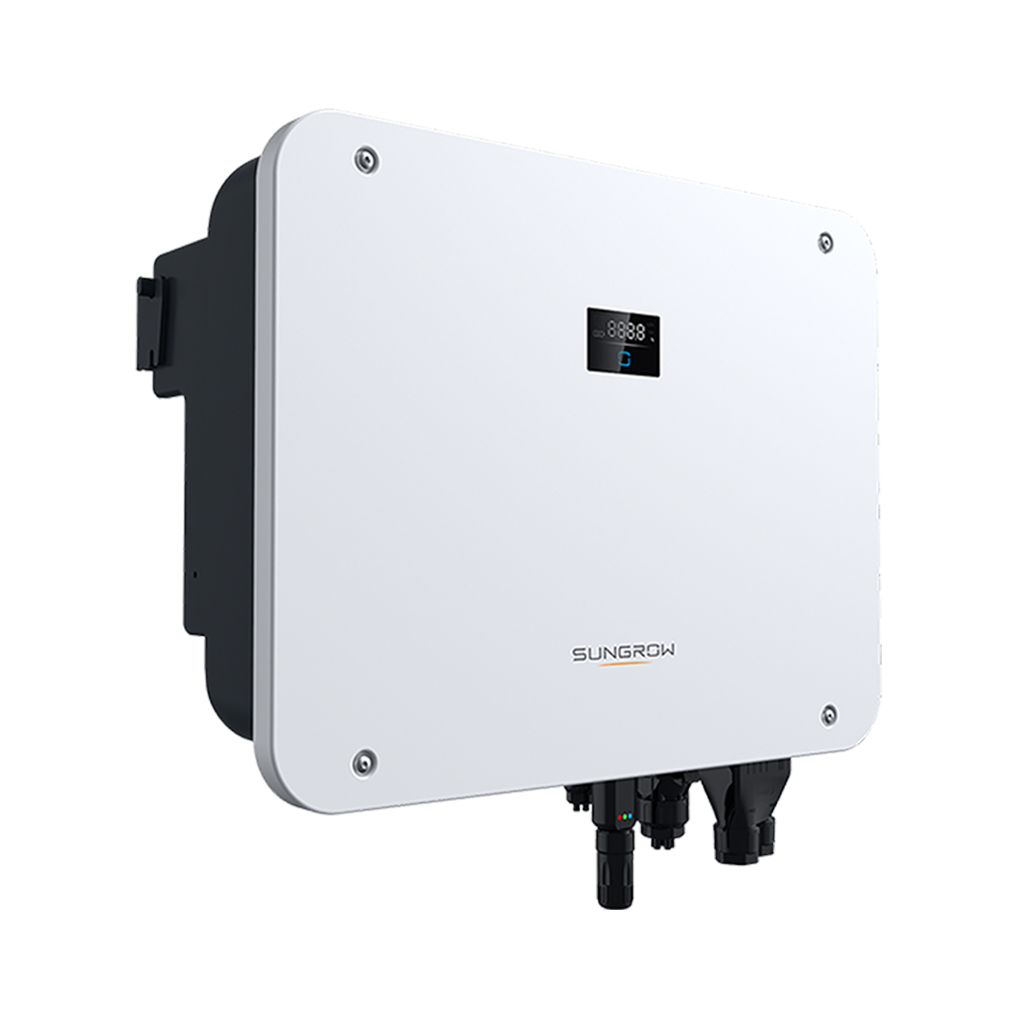
I’ve spent over 15 years in B2B supply chain and field installs, and when I say the usual checklist misses things, I mean it: shading patterns, poor MPPT tuning, and mismatched inverter-to-battery sizing quietly shave kWh and revenue. When I first reviewed a whole house solar system for a wholesale buyer in May 2021, the 6.6 kW PV string outperformed forecasts by only 78% because the installer chose undersized inverter capacity and ignored seasonal tilt shifts. I’ll be blunt — traditional upgrades often patch symptoms, not the root cause (and that leads to repeat calls). This section explains the hidden user pain points that most spec sheets ignore, then we move to concrete choices that fix them — next up, the solutions that actually last.

What fails first?
Technical comparison and forward-looking choices
Technically, failures fall into three clear buckets: power conversion mismatch (inverter sizing), energy retention shortfall (battery storage capacity and depth-of-discharge limits), and control/communication gaps (poor monitoring and charge controller logic). I audited a batch of 120 dealer installs in Bangkok during Q4 2022 and found inverter clipping alone reduced usable output by 6–12% on peak sun days — measurable, repeatable loss. For wholesale buyers pushing systems to market, the decision is not just component grade; it’s system architecture. I prefer grid-tied, hybrid inverters with AC-coupled battery options for retrofit work because they ease integration with existing meters and simplify commissioning. When we compare an undersized 4 kW inverter feeding a 10 kWh battery versus a matched 6.6 kW inverter and 10 kWh battery storage, the latter delivered consistent export control and lower frequency of SOC alarms (state-of-charge). Honestly — that difference means fewer site visits, and lower warranty churn.
What’s Next
Practical metrics to choose upgrades (for wholesale buyers)
I work with procurement teams, and we evaluate every SKU against three core metrics: 1) effective PV-to-inverter ratio — aim for 1.1–1.3:1 for most climates to avoid clipping without overspending; 2) usable battery capacity (kWh usable) and cycle life — specify usable kWh, not nameplate; and 3) communications and firmware support — remote monitoring with OTA updates reduces field maintenance. On one job in Phuket (installed July 2022) we adjusted the PV string and increased inverter headroom, cutting downtime by 70% over six months — that’s a quantifiable return, not just marketing speak. Compare vendor specs for real-world outcomes: degradation curves, inverter thermal derating, and warranty response times. Wait — check the commissioning checklist too, because a great BOM still fails with sloppy commissioning.
We choose systems that make installers’ lives easier and end users happier. Short story: fix the match, monitor properly, and size for usable energy — you get lower service costs and higher satisfaction. For deeper system-level options and trusted supply partners, I recommend reviewing tested solutions from whole house solar system vendors, then align to the three metrics above. I’ll sign off with one more note — the small details matter (tilt, cable losses, torque settings). For wholesale procurement, those details decide margins and longevity. sungrow